October Birthstone Opal: Meaning, Colours and How to Choose One
Opal is the birthstone for October, and no two opals look the same. Here is what that means, which types to choose from, and how to pick one that will last.
About Opal · By Stephanie Caruana ·
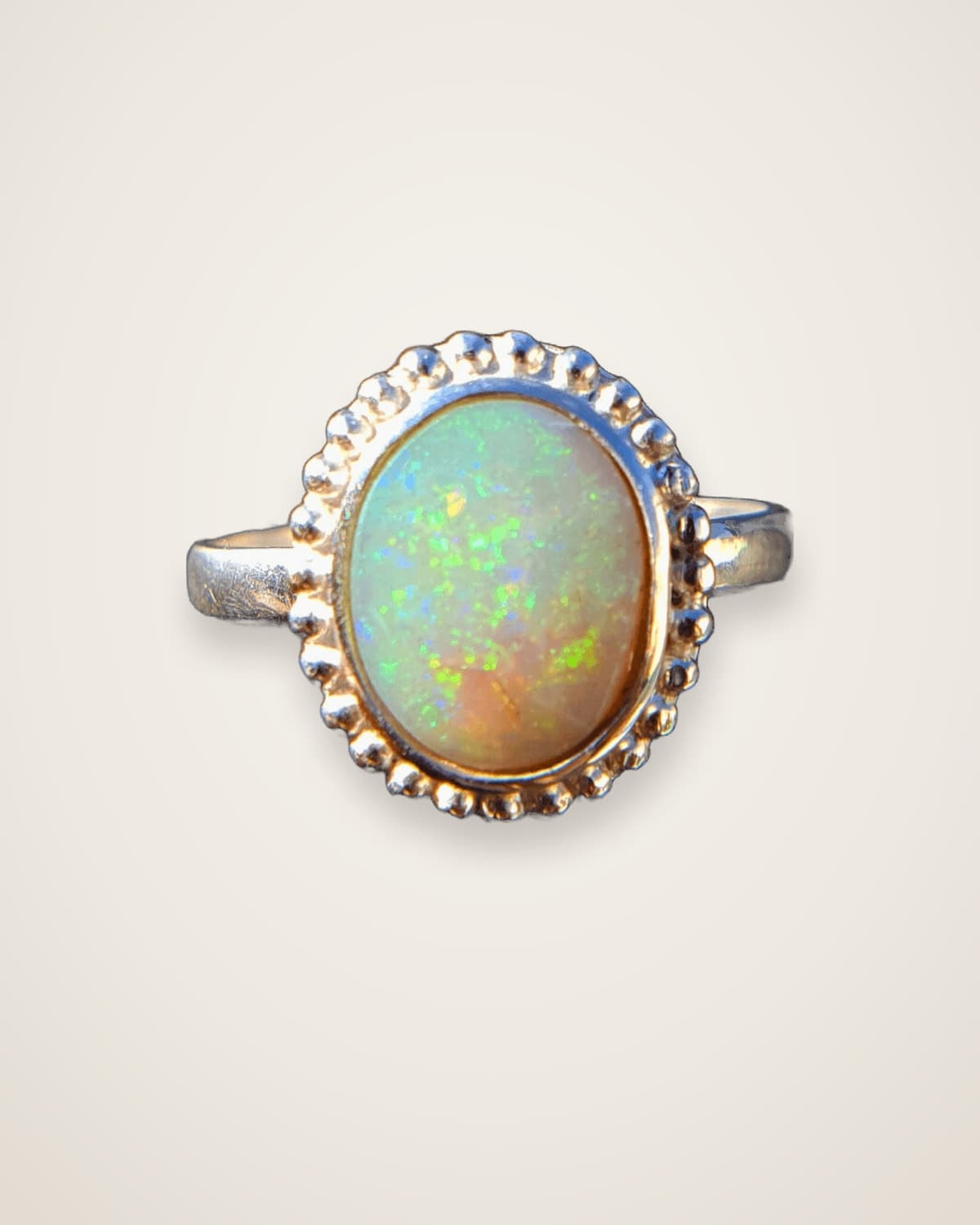
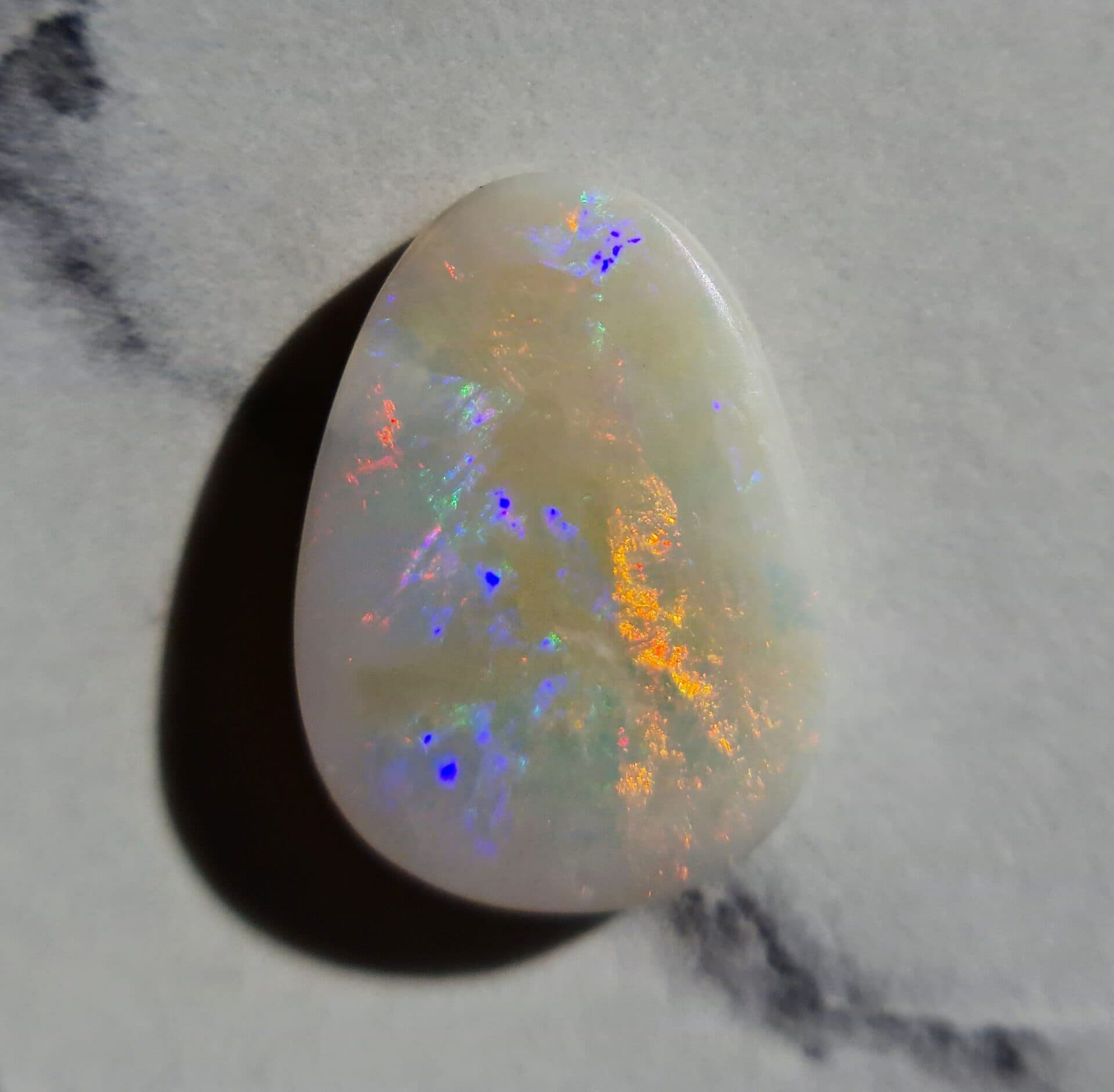
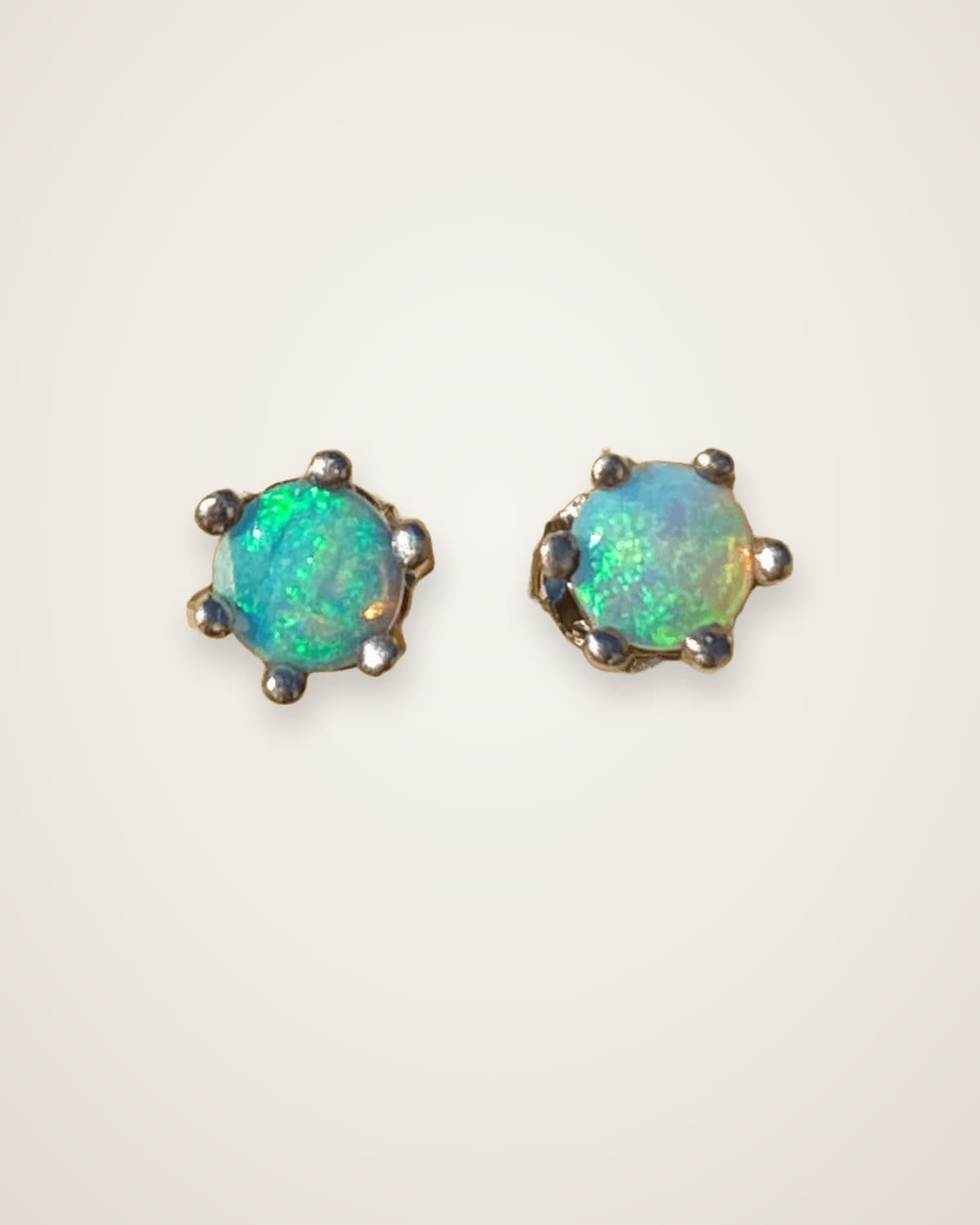
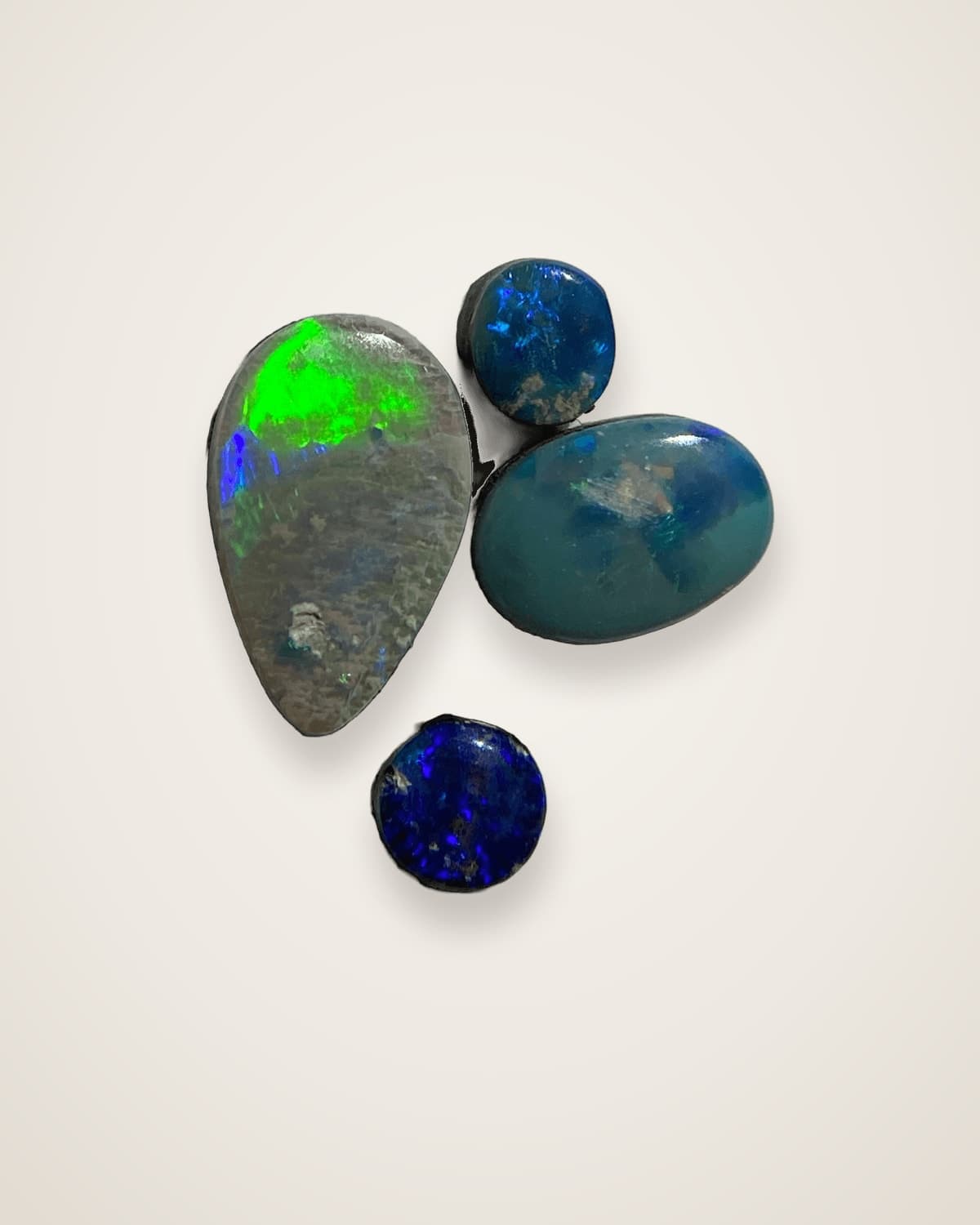
Opal is the birthstone for October. It appears on both traditional and modern birthstone lists, and many modern lists pair it with tourmaline as a second October stone. Opal is loved for its play of colour: flashes of red, green, blue and violet that move as the stone turns, so every October birthstone opal is one of a kind.
Why is opal the October birthstone?
Opal has been linked to October for a long time, and it has stayed on the list as birthstone charts have been revised. The short answer is tradition: the month-by-month lists we use today grew out of older customs, and opal kept its place in October through each version.
For an Australian, it's a particularly nice fit. Opal was proclaimed Australia's national gemstone in 1993, and most of the precious opal people know comes from our fields: Lightning Ridge in New South Wales, Coober Pedy, Andamooka and Mintabie in South Australia, and the boulder fields of Queensland.
In the shop I've treated October as opal month. Last October I ran an opal month celebration, and on our jewellery account I put it simply: "October Babies! This is your Month to shine."
What does the October birthstone mean?
Opal is usually associated with creativity, hope and change, because its colour shifts with every movement. Those meanings are tradition rather than science, but they suit a stone that never looks the same twice.
You'll also hear that opal is unlucky unless it's your birthstone. That idea is a myth, often traced back to a nineteenth-century novel, and it has nothing to do with the stone itself. I've written more about opal myths in Learn about opal: fact or fiction.
What colours does October birthstone opal come in?
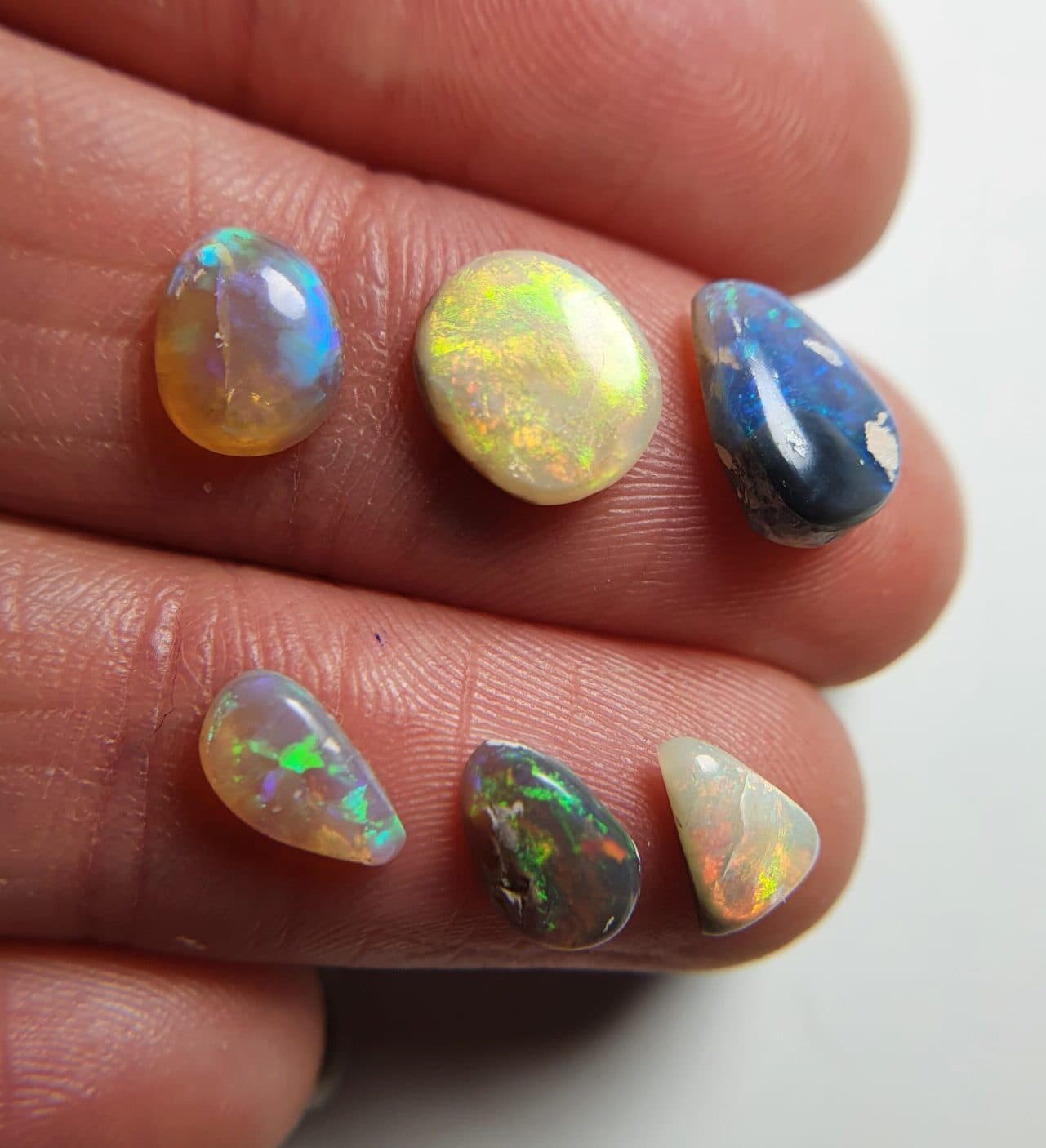
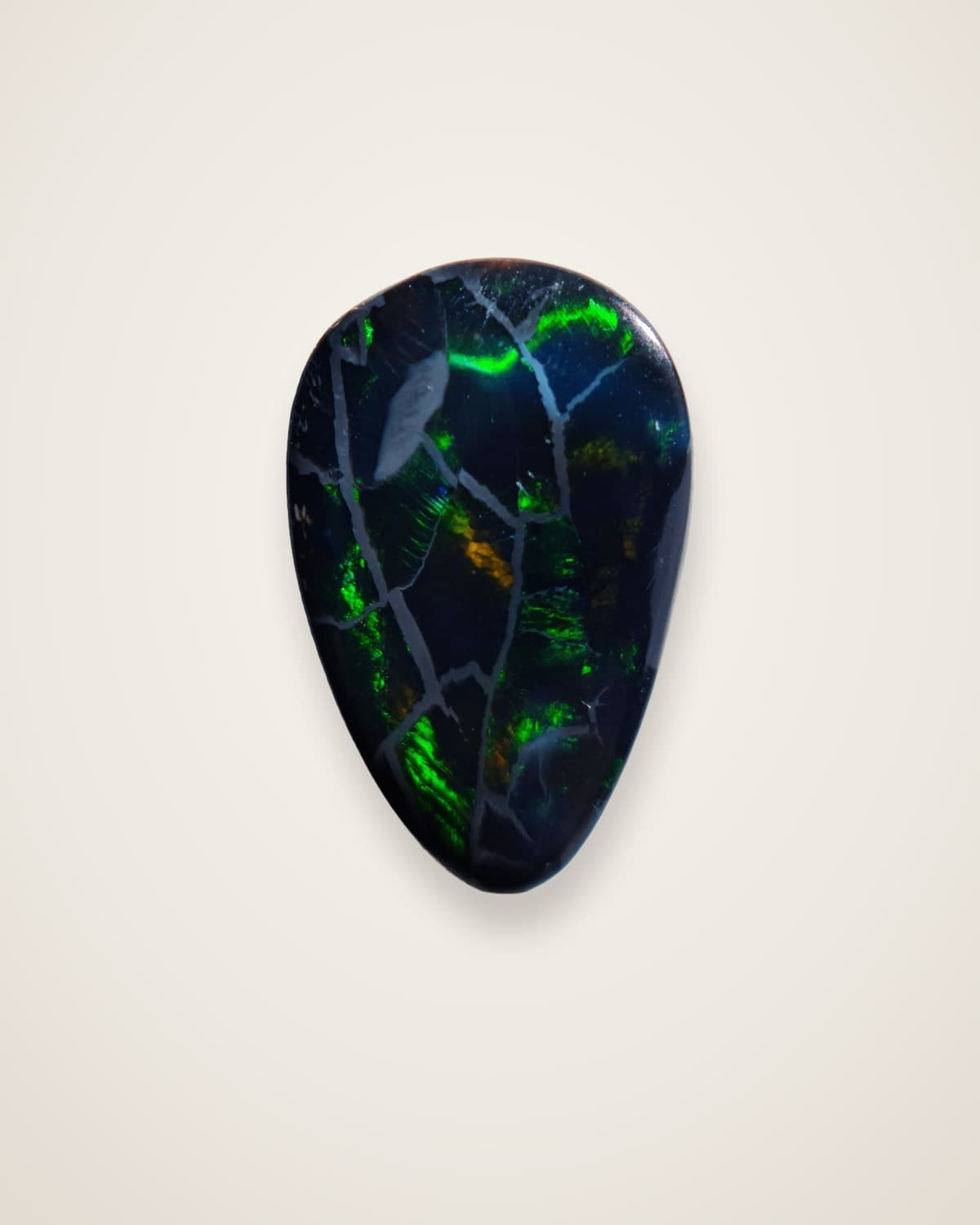
Opal comes in every spectral colour, set against a background (body tone) that runs from black to milky white. The type of opal tells you most about how it will look.
- Black opal: a dark body tone, N1 to N4 on the body tone scale, which makes the colour look intense. Mostly from Lightning Ridge.
- White or light opal: a pale body tone, N7 to N9, with a softer, airy look. Coober Pedy is the best-known source.
- Boulder opal: a thin layer of opal on its natural ironstone, from Queensland fields like Winton, Quilpie, Yowah and Koroit.
- Crystal opal: opal you can see into. "Crystal" describes transparency, so you can have crystal black opal and crystal light opal.
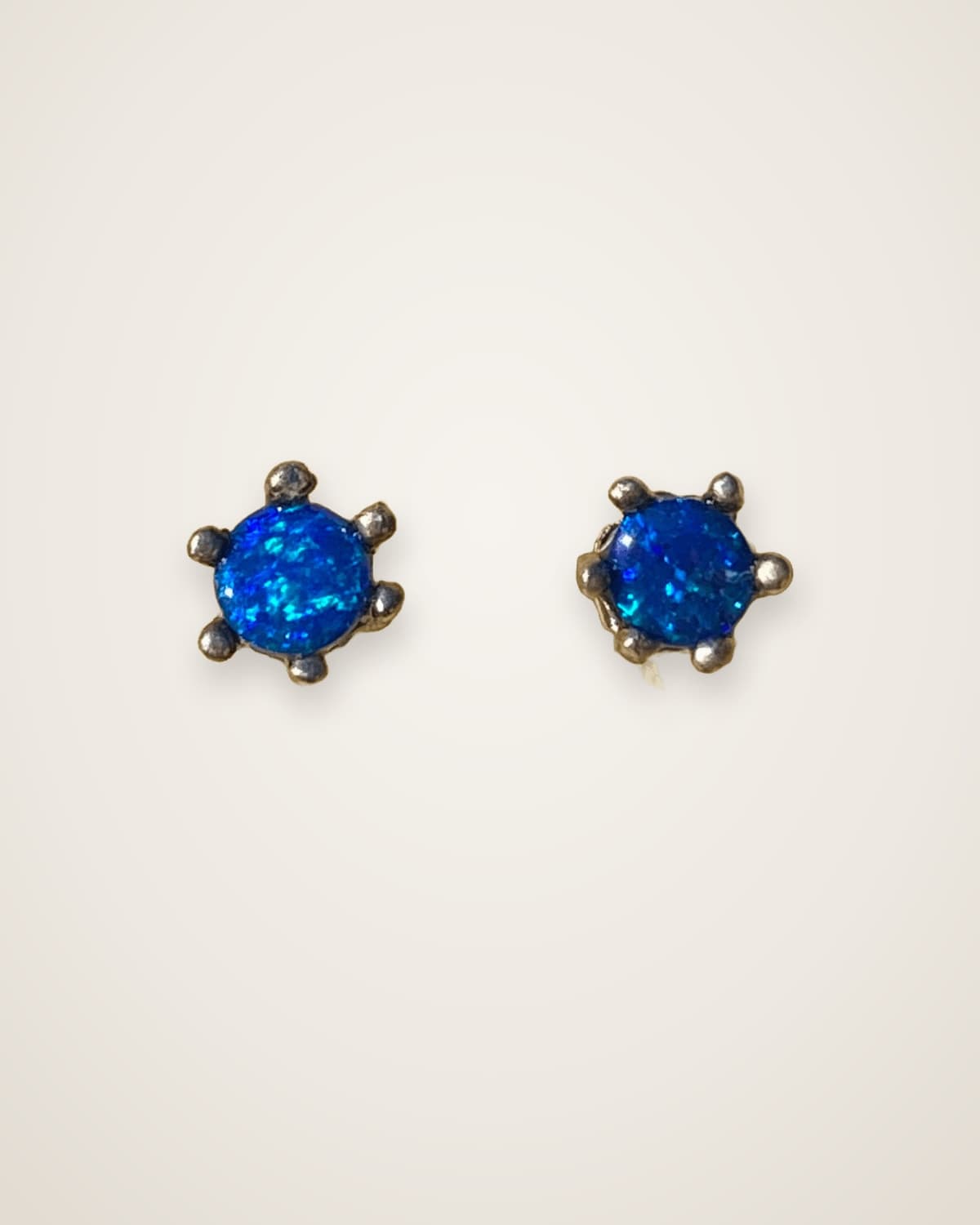
- Doublets and triplets: a thin slice of opal glued to a dark backing (and, in a triplet, a clear cap on top). They give a lot of colour for a lower outlay but need gentler care.
There's no single correct colour for an October birthstone. Pick the opal whose colour and pattern the person will love looking at.
Is opal durable enough for everyday jewellery?
Opal can be worn every day with sensible care, but it is softer than most popular gems. It sits around 5.5 to 6.5 on the Mohs hardness scale, compared with 9 for sapphire, so it scratches and chips more easily.
That doesn't rule out a ring. It just shapes the choices you make:
- Earrings and pendants take far fewer knocks than rings, so they suit any opal type.
- Rings are fine with a protective setting. A full bezel (a rim of metal around the stone) protects the edges better than thin claws.
- Solid opal handles everyday life better than a doublet or triplet, because there's no glue layer to be weakened by water.
- Higher domes and thicker stones are a little more robust than very thin, flat ones.
Take opal jewellery off for the gym, gardening, cleaning and swimming. Store it away from harder gems, which can scratch it.
How do you choose an October birthstone opal?
Start with how the piece will be worn, then choose the stone. A ring worn daily needs different thinking from earrings for special occasions.
- Decide on the piece. Ring, earrings or pendant. This guides the setting and whether a doublet is sensible.
- Choose solid or doublet. Solid opal for a ring worn often; a doublet is a good option for earrings or a pendant.
- Look at body tone and brightness. Dark stones look intense, light stones look soft. Brightness, how strongly the colour glows, matters as much as body tone.
- Look at the colour as it moves. Ask for a video, or view the stone in person in daylight. Opal changes with the light.
- Check the details. Type, origin, size and whether it's solid, a doublet or a triplet should all be stated.
If you're buying online, my top 10 tips for buying opal jewellery online go into more detail.
What makes a good October birthday gift?
A good opal gift is one chosen for the person, not just the month. A ring is the classic birthstone gift, but earrings are often the easier choice when you don't know a ring size.
Some ideas that work well:
- Opal earrings are a low-risk gift: no sizing, and they're well protected from knocks.
- Opal rings make a lovely birthday piece if you can find out the size first.
- A loose opal can be a gift in itself, for a collector or as the start of a custom piece.
- A custom piece through our design service lets you choose the stone and the setting together.
Questions people ask
What is the birthstone for October?
Opal is the birthstone for October. Many modern lists also include tourmaline, so October has two birthstones on those charts.
Is it bad luck to wear opal if it isn't your birthstone?
No. The idea that opal is unlucky is a superstition with no basis in the stone itself. Anyone can wear opal.
Which opal is best for an October birthstone ring?
A solid opal in a protective setting, such as a bezel, is the most practical choice for a ring worn often. The type, black, white, boulder or crystal, comes down to taste.
Can you wear an opal ring every day?
Yes, with care. Take it off for heavy work, cleaning and swimming, and choose a solid opal in a setting that protects its edges.
Do opal doublets make good birthday gifts?
Yes, especially as earrings or pendants. Keep them out of water, because soaking can weaken the glue layer over time.