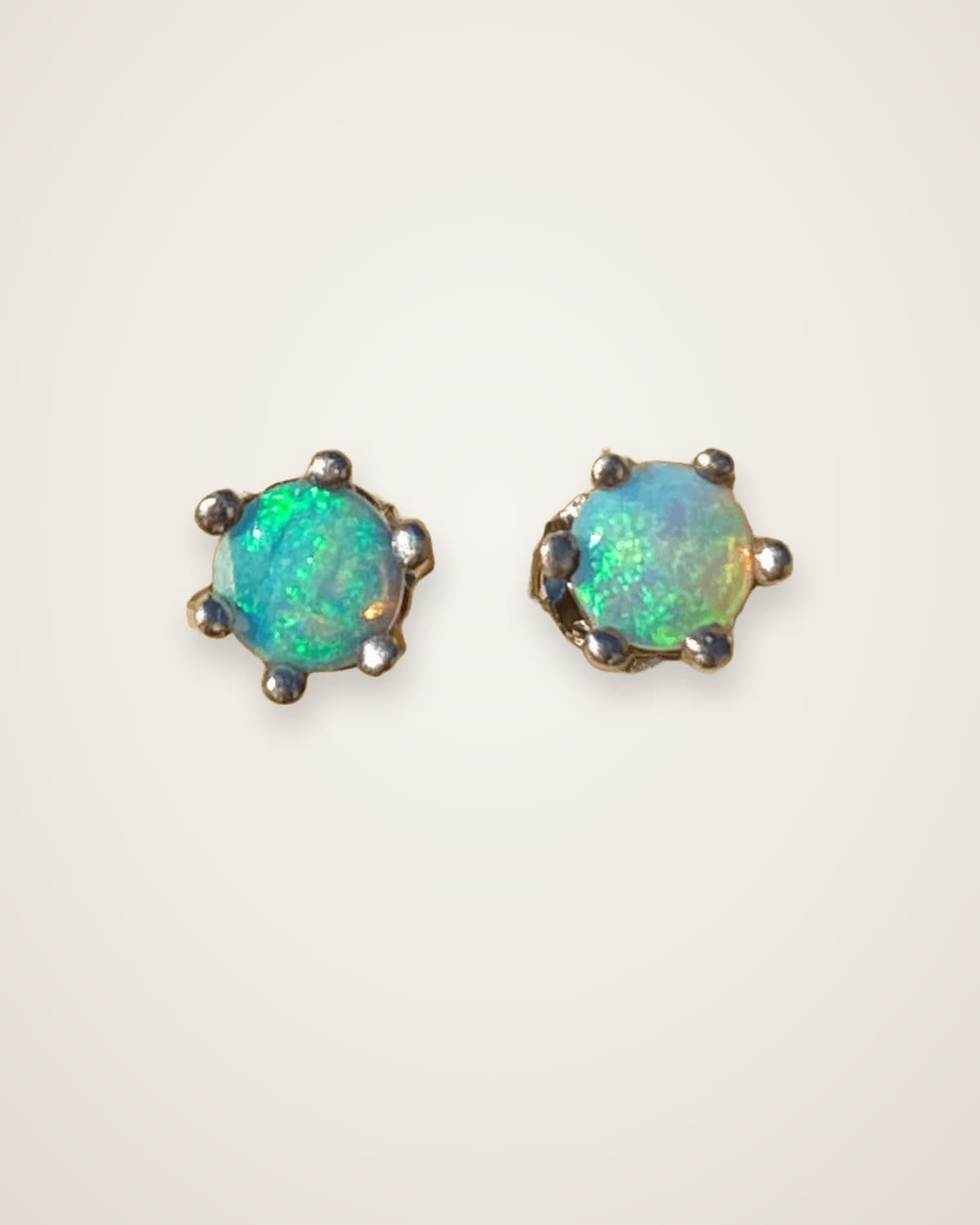
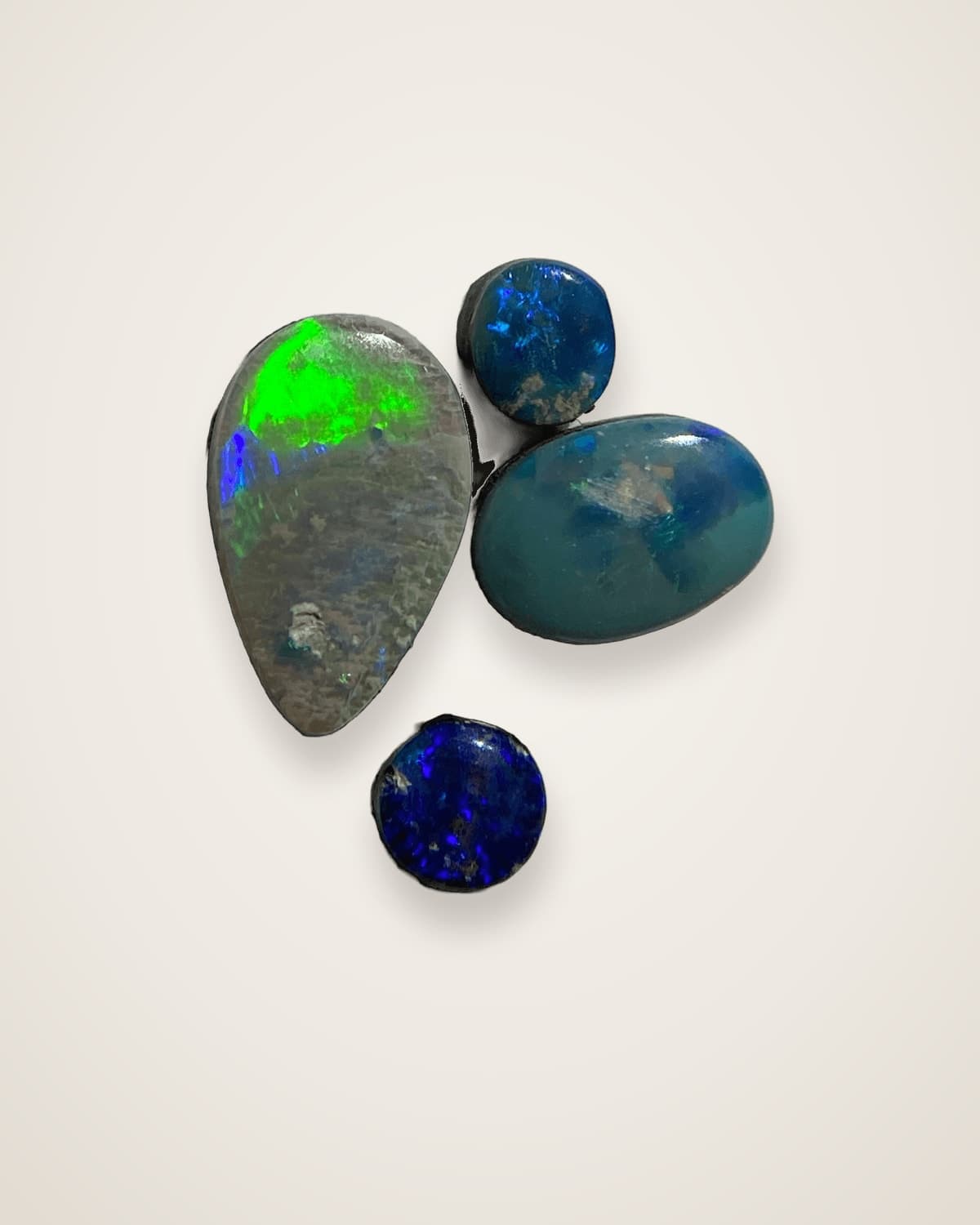
Opal: Australia's National Gemstone and Why It Was Chosen
Opal is Australia's national gemstone, proclaimed in 1993. Here is why it was chosen, where it comes from and what it means when you buy Australian opal.
About Opal · By Stephanie Caruana ·
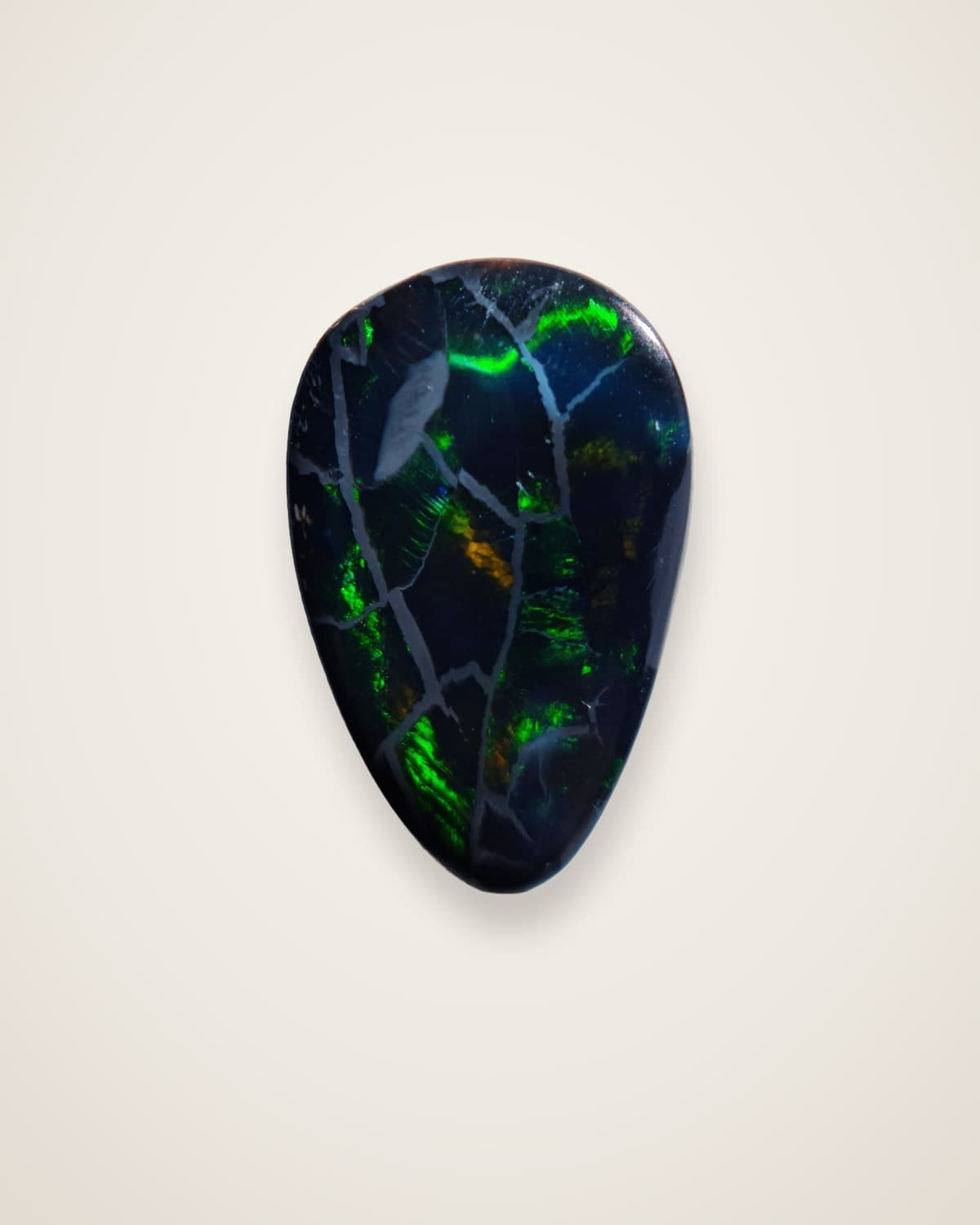
Australia's national gemstone is opal. It was proclaimed the national gemstone in 1993, recognising a stone that Australia has been famous for since the late nineteenth century. Australian opal comes from fields in New South Wales, South Australia and Queensland, and includes black, white, boulder and crystal opal.
Why is opal Australia's national gemstone?
Opal was chosen because Australia is the world's best-known source of precious opal, and because the stone is so closely tied to Australian places and history. Names like Lightning Ridge and Coober Pedy are recognised by opal lovers around the world.
Opal fits Australia in other ways too. Australian opal formed as silica-rich water seeped into cracks and spaces in ancient sedimentary rock, much of it around the edges of the Great Artesian Basin. That geology is why so much of the world's finest opal is found here and why each field has its own character.
When was opal made Australia's national gemstone?
Opal was proclaimed Australia's national gemstone in 1993. It joined the country's other national symbols, such as the floral emblem and the colours green and gold.
Opal had already been honoured at state level. South Australia, home of Coober Pedy, Andamooka and Mintabie, has opal as its official gemstone, and New South Wales has named black opal, the stone of Lightning Ridge, as its state gemstone.
Where does Australian opal come from?
Australian opal comes from three main regions: north-western New South Wales, outback South Australia and western Queensland. Each area is known for a different kind of opal.
- Lightning Ridge, New South Wales: the home of black opal, with dark body tones from N1 to N4 that make the colour look intense. White Cliffs, also in New South Wales, was one of the earliest commercial fields.
- Coober Pedy, South Australia: the best-known source of white and light opal. Opal was found there in 1915, and the town is famous for its underground homes.
- Andamooka and Mintabie, South Australia: Andamooka is known for crystal and matrix opal, and Mintabie for dark and semi-black opal.
- Queensland: boulder opal from fields such as Winton, Quilpie, Yowah and Koroit, where opal forms in veins and patches within ironstone.
For the full story of how it comes out of the ground, see my post on how opal is mined.
What types of opal does Australia produce?
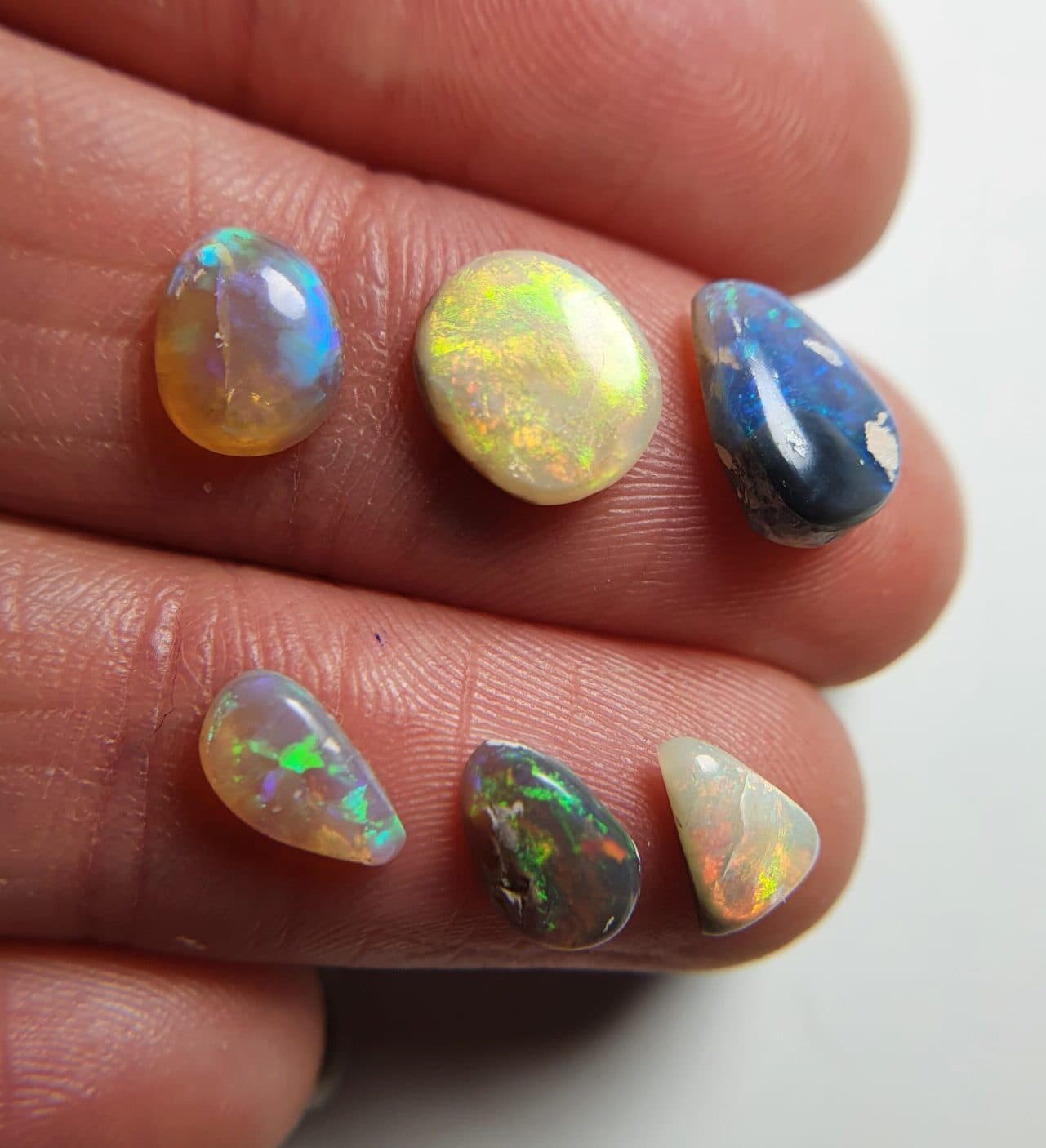
Australia produces every major type of precious opal sold as Australian opal: black, white (light), boulder and crystal. Doublets and triplets are also made from thin slices of Australian opal.
Black opal
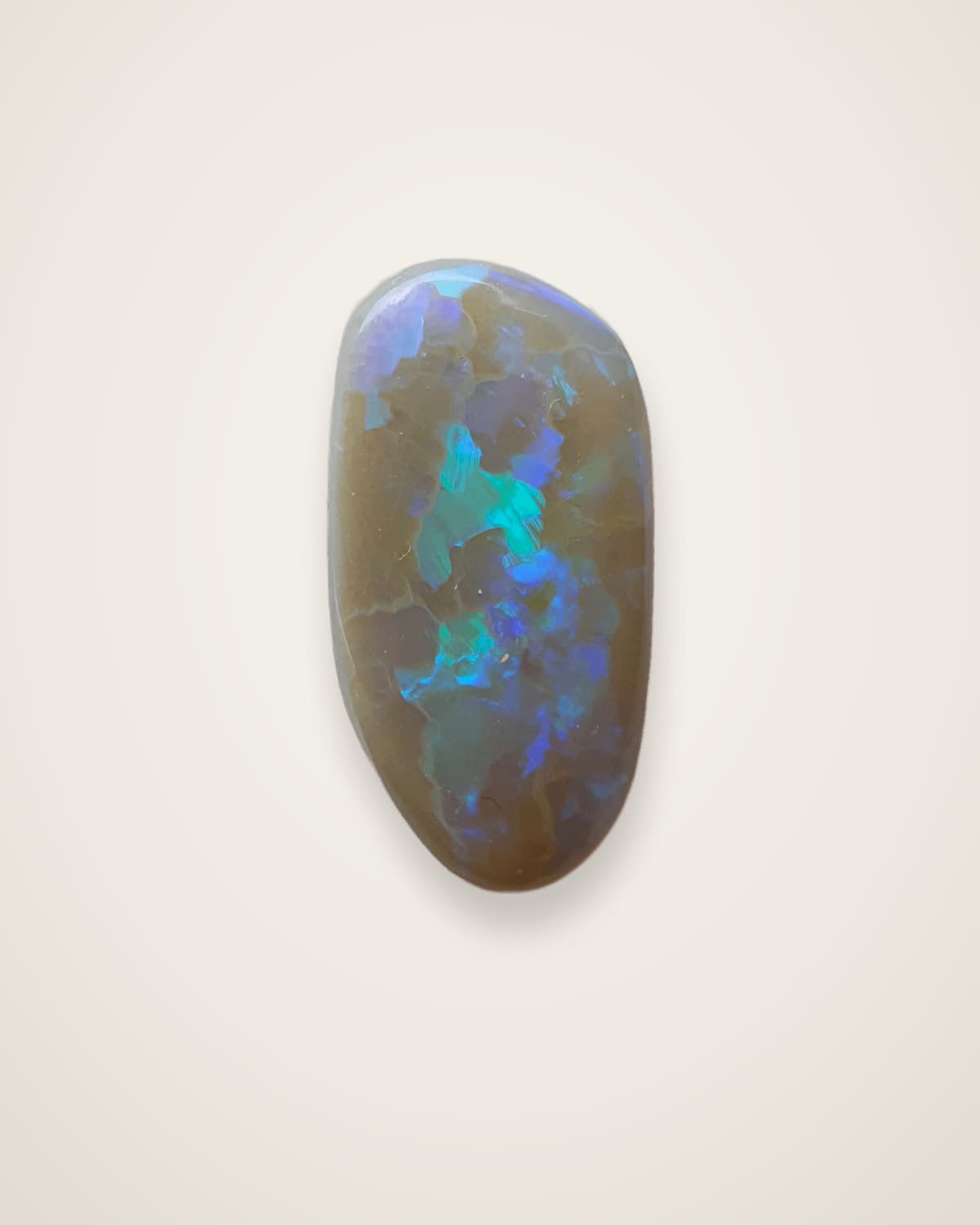
Black opal has a dark body tone and is most closely associated with Lightning Ridge. I've always loved Lightning Ridge black opals, and they're the stones that first come to mind for many people when they think of Australian opal. Browse our Lightning Ridge opal to see the range.
White or light opal
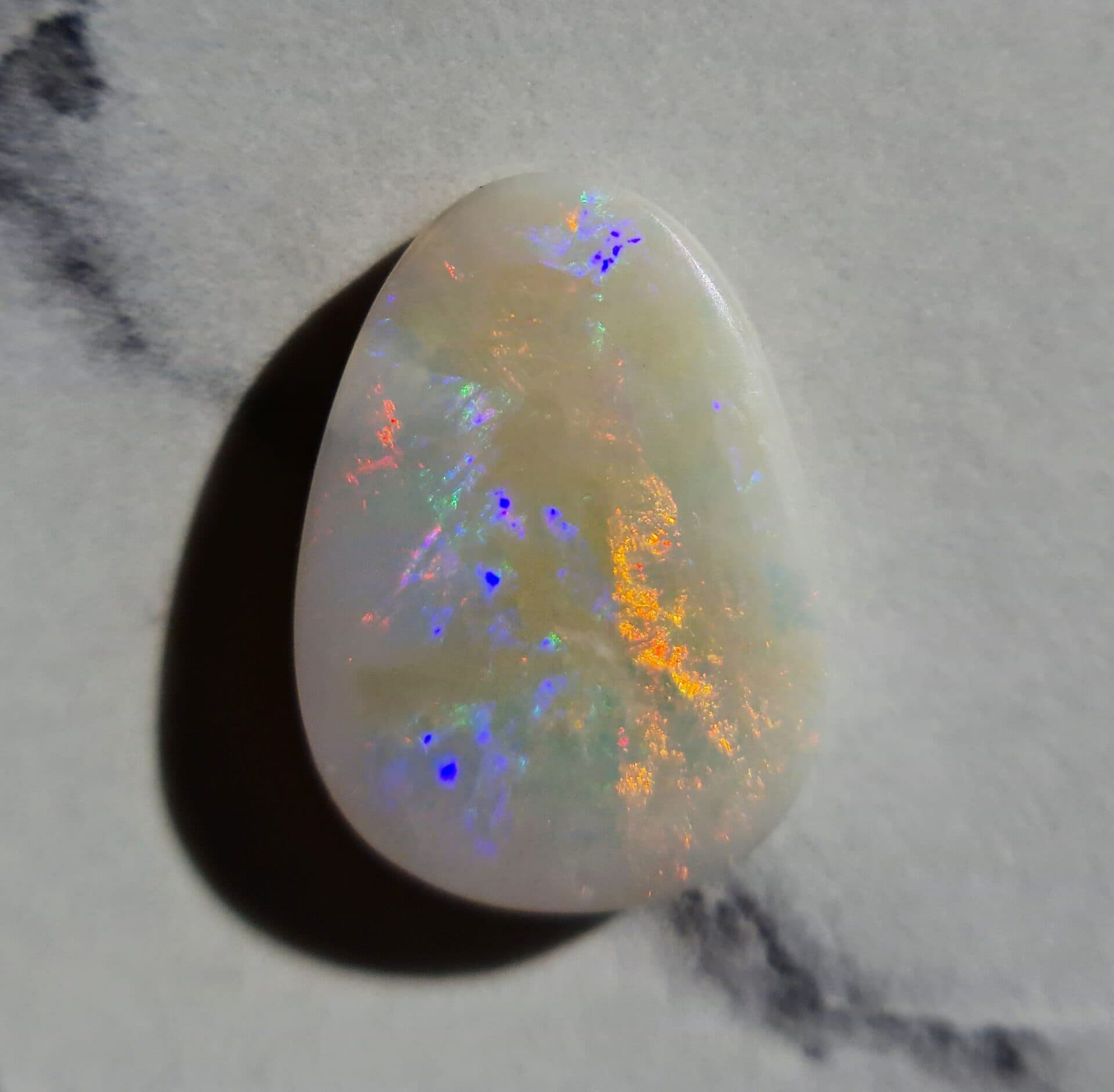
Light opal has a pale body tone (N7 to N9) and a softer look. It's mostly from Coober Pedy, Mintabie and Andamooka, and it's often underrated.
Boulder opal
Boulder opal is cut with its natural ironstone left on the back, which gives it a dark backing of its own. It's a Queensland speciality. See our boulder opal to compare stones.
Crystal opal
Crystal opal is transparent to semi-transparent. "Crystal" describes how see-through the opal is, so it can be found in black, light and other types.
Does the national gemstone status mean all opal is Australian?
No. Opal is also mined in other countries, including Ethiopia and Mexico, and synthetic and imitation opals exist. National gemstone status says nothing about any individual stone.
That's why it's worth asking about origin and type when you buy. Some differences to know:
- Ethiopian opal is often hydrophane, meaning it can absorb water and temporarily change its look.
- Mexican fire opal is prized for its orange to red body colour rather than play of colour.
- Synthetic opal is made in a lab and imitation opal looks like opal but isn't. Both should be disclosed.
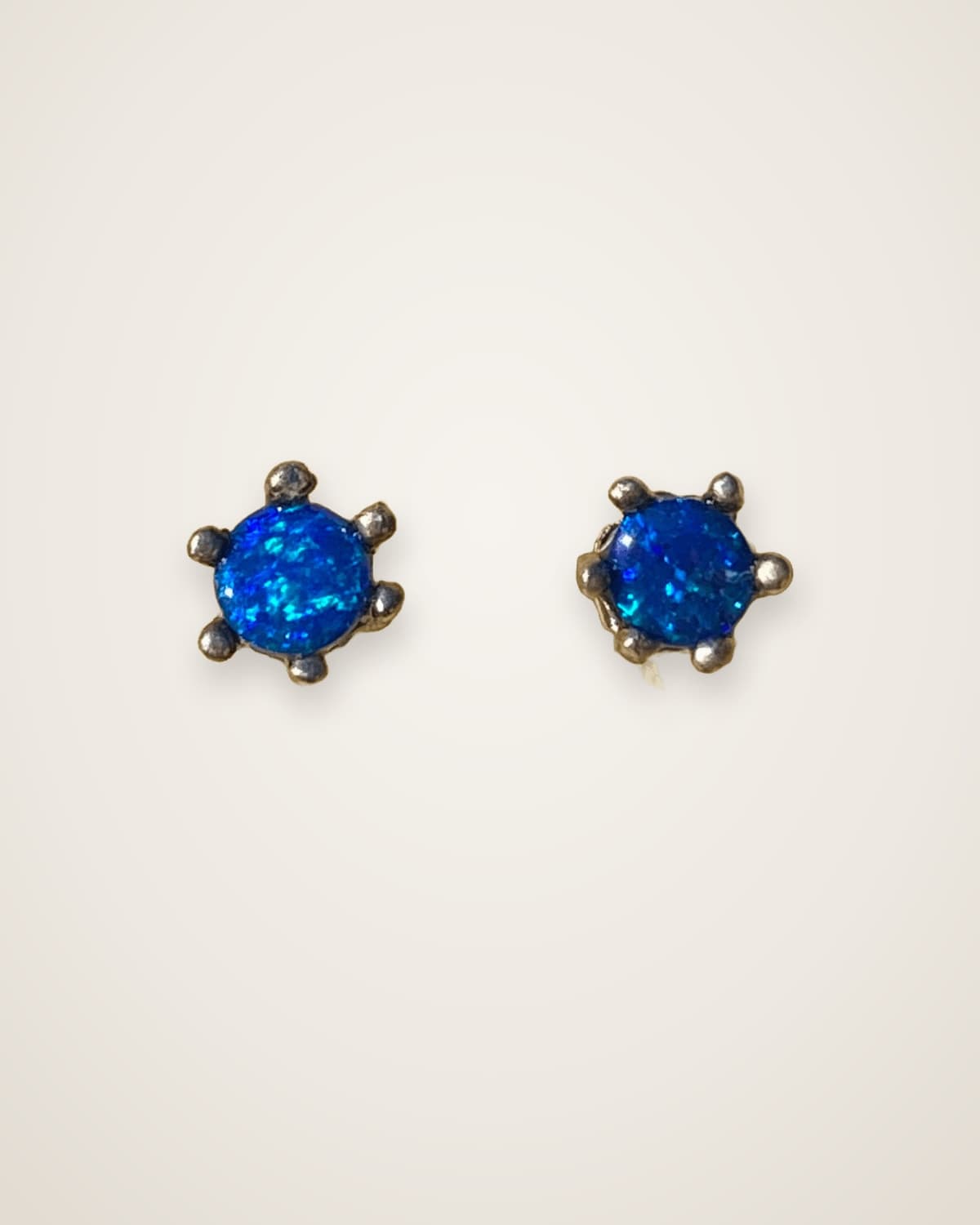
- Doublets and triplets are real opal glued to a backing. They're fine to buy as long as they're described honestly.
A good listing names the type, the origin, the size and whether the stone is solid, a doublet or a triplet.
How can you buy genuine Australian opal?
Buy from a seller who states the field the opal came from and whether it's solid or assembled, and who shows the stone moving in more than one light. Asking questions is normal; a good opal seller will be glad to answer them.
- Check the origin. Lightning Ridge, Coober Pedy, Queensland and so on should be stated.
- Check solid, doublet or triplet. This changes how it's worn and cared for.
- Look at body tone and brightness. Dark or light, and how strongly the colour glows.
- Watch a video. Opal changes as it moves, so a single photo isn't enough.
- Ask about the cutter. Knowing who cut and set the stone tells you a lot about its story.
The loose opals in our shop are Australian, and I cut and set opals myself in Melbourne. You can browse the store by field, type and stone.
Questions people ask
What is the national gemstone of Australia?
Opal. It was proclaimed Australia's national gemstone in 1993.
Why is opal Australia's gemstone?
Australia is the world's best-known source of precious opal, and fields like Lightning Ridge and Coober Pedy are part of the country's history and identity. The gemstone honours that connection.
Which Australian state is opal from?
Precious opal is mined in New South Wales, South Australia and Queensland. Each produces different types, from black opal at Lightning Ridge to boulder opal in Queensland.
Is boulder opal only found in Australia?
Australian boulder opal comes from Queensland, where opal forms within ironstone boulders and seams. It's the stone most people mean by the name.
Is all opal sold in Australia Australian?
No. Opal from other countries, as well as synthetic and imitation opal, is sold in Australia, so always check the origin and type in the listing.