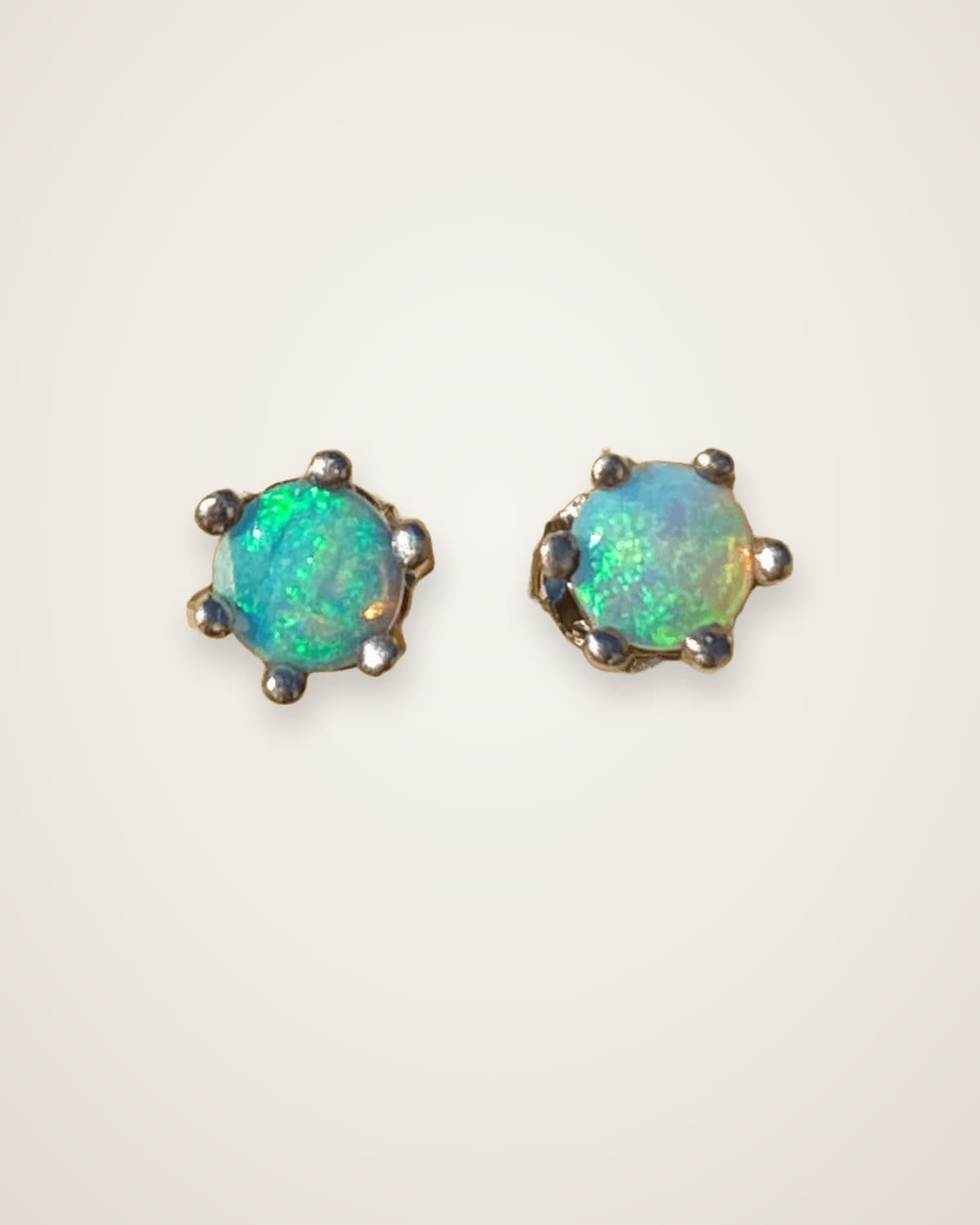
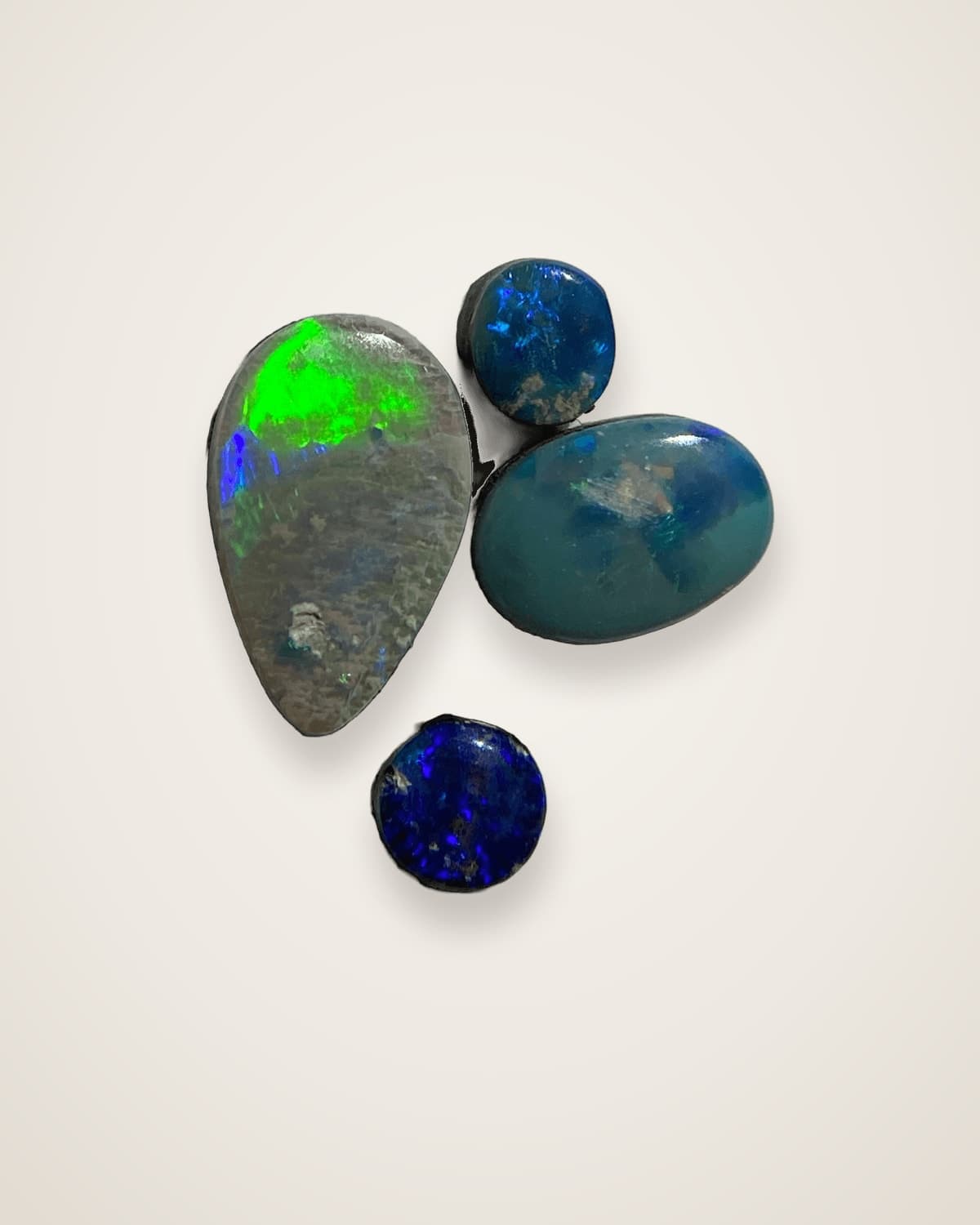
Australian vs Ethiopian Opal: How They Differ and What to Ask
Australian and Ethiopian opal are both real precious opal, but they form differently and behave differently. Here's how to tell them apart and what to ask before you buy.
About Opal · By Stephanie Caruana ·
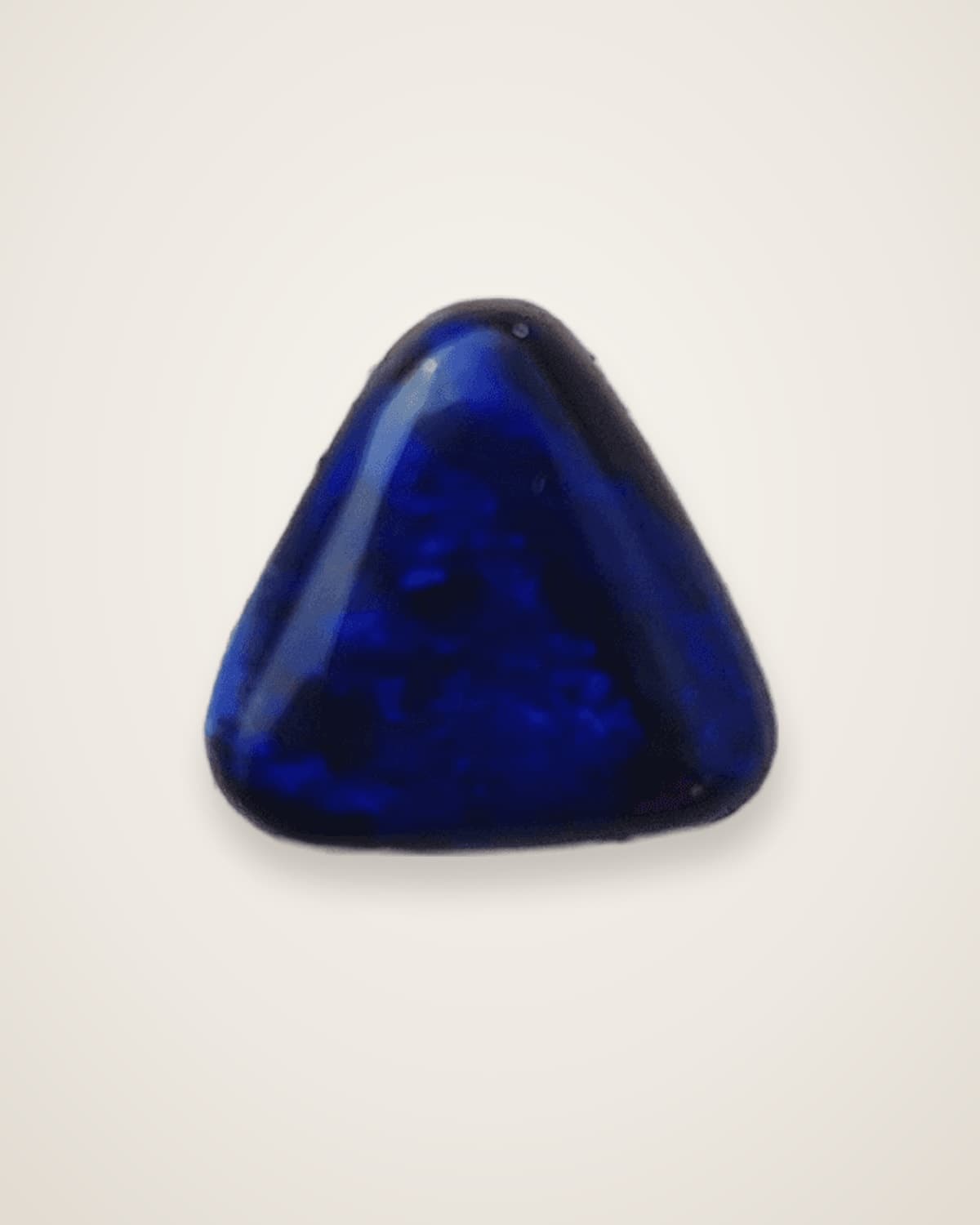
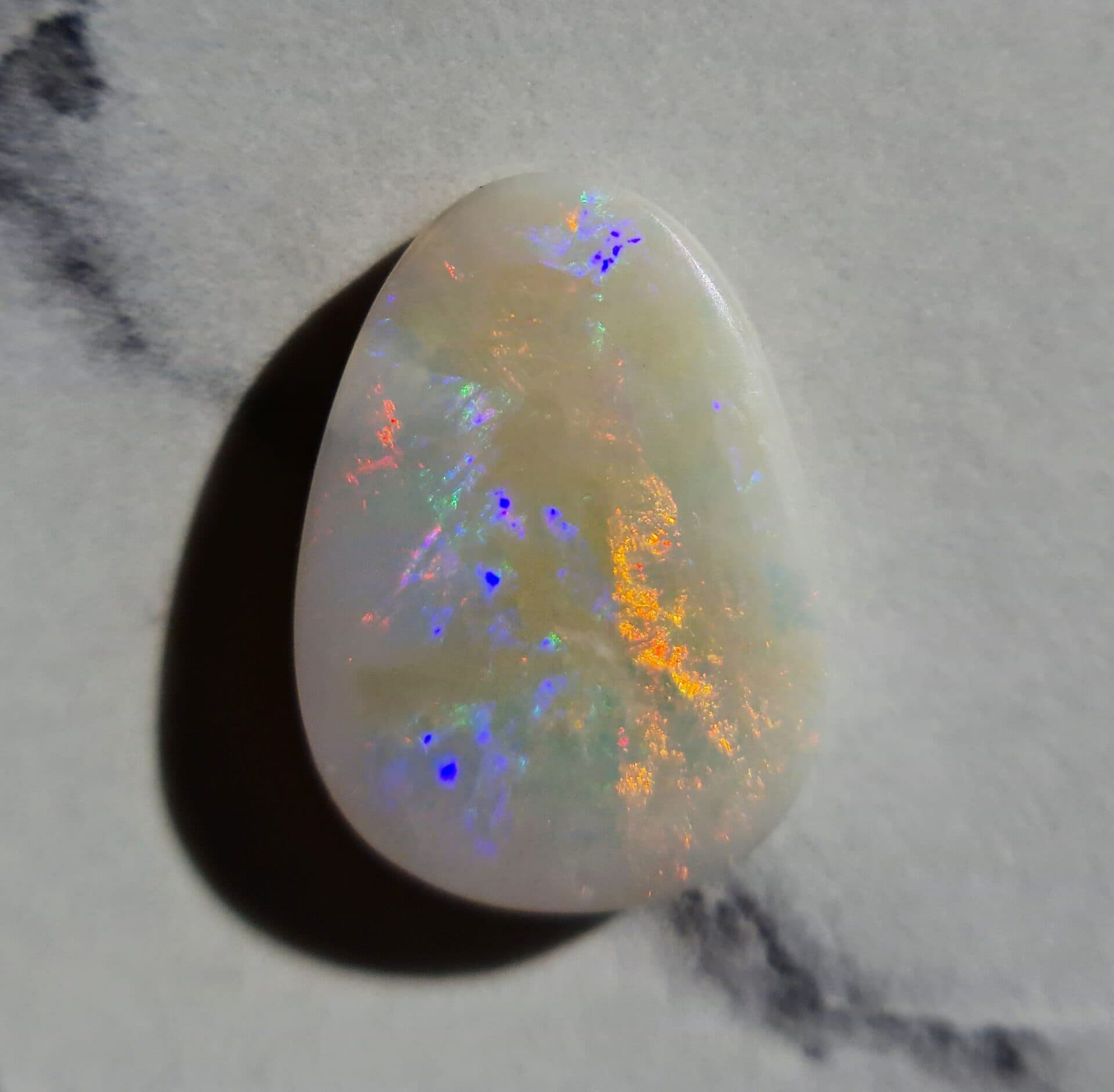
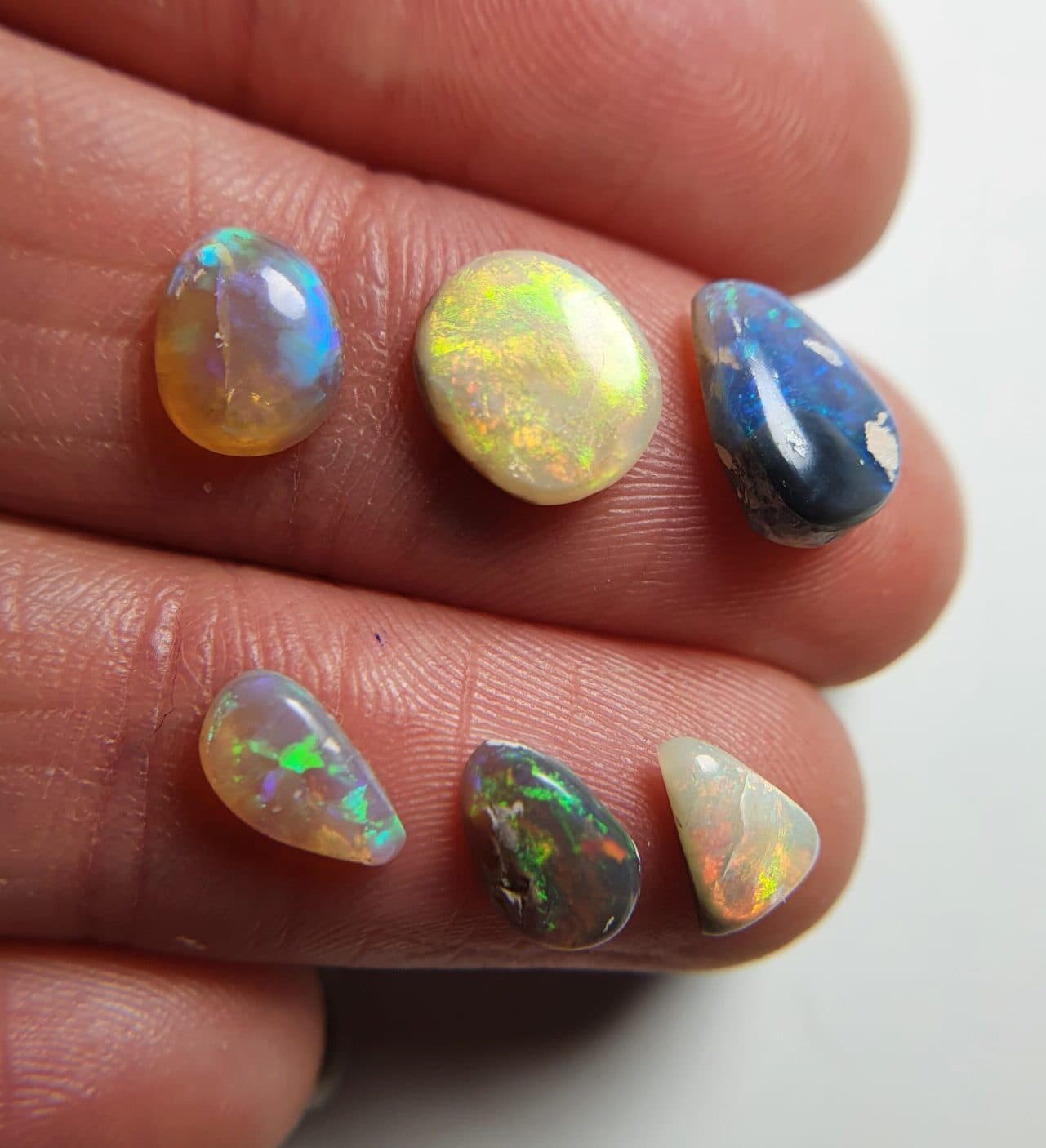
Australian and Ethiopian opal are both natural precious opal, but they form in different rock and behave differently. Australian opal formed in sedimentary rock and is generally stable in water. Much Ethiopian opal formed in volcanic rock and is hydrophane, meaning it can absorb water and look different while wet. Both can be beautiful.
Where do Australian and Ethiopian opal come from?
Australian opal comes from fields across New South Wales, South Australia and Queensland. Ethiopian opal mostly comes from the Wollo (or Welo) region in northern Ethiopia, where large deposits were found in 2008.
The main Australian sources and what they're known for:
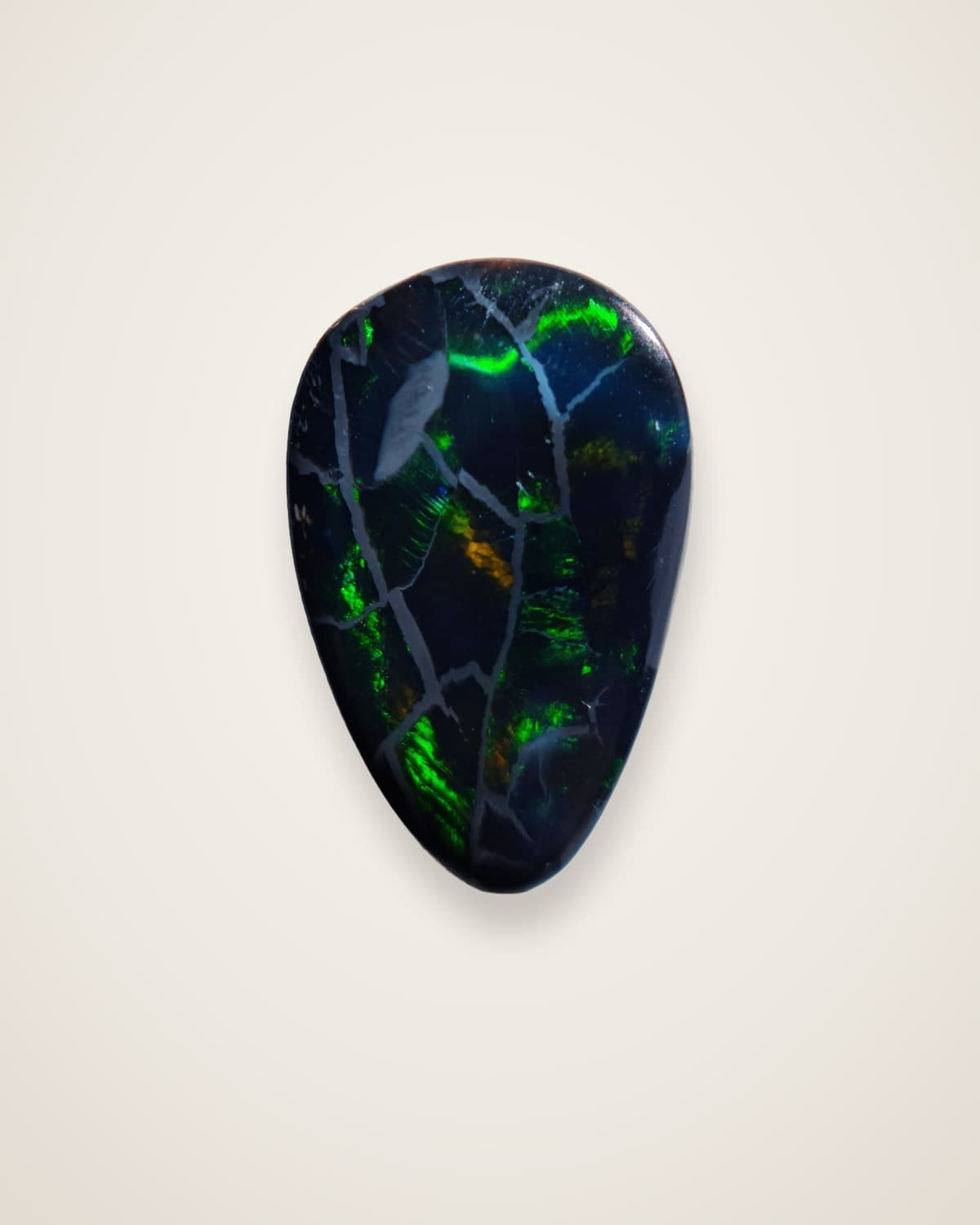
- Lightning Ridge, NSW: black opal and dark crystal opal.
- Coober Pedy, Andamooka and Mintabie, SA: white, crystal and semi-black opal.
- Queensland, including Winton, Quilpie, Yowah and Koroit: boulder opal in ironstone.
Ethiopia also produces opal from other areas, including the Shewa region, but Welo material is what most people mean when they say Ethiopian opal today. Opal became Australia's national gemstone in 1993, and Australia has supplied much of the world's precious opal for well over a century.
How do they form differently?
Australian opal formed in sedimentary rock, in the Great Artesian Basin, where silica-rich water filled cracks, cavities and voids and slowly hardened into opal. Ethiopian Welo opal formed in layers of volcanic rock, where silica from the volcanic ash and rock filled cavities and seams.
That difference in host rock gives each its own look and behaviour. Australian opal is often found as seams, nobbies or in ironstone, and is generally non-hydrophane. Welo opal often forms in nodules within a weathered volcanic layer, and a lot of it is hydrophane.
Both are made of silica with some water, and both get their play of colour from tiny silica spheres stacked in an orderly way. They're the same gem, formed in different settings.
What is hydrophane opal?
Hydrophane opal is porous enough to absorb water. When it soaks up water it can turn more transparent, and its play of colour can fade or disappear until the stone dries out again.
Much Welo opal is hydrophane. If you put a hydrophane opal in water, you may watch it go clear and lose its colour, then slowly return over hours or days as it dries. It's a surprising thing to see if you're not expecting it.
What it means in practice:
- Avoid soaking it. Keep it away from water, lotions and oils, which it can also absorb.
- Expect change. The look can shift with moisture and handling.
- Take care with dyes. Porous opal can absorb dye or smoke, which is how some treated stones are made.
Australian opal is generally not hydrophane, which is one reason it has a reputation for stability.
How can you tell Australian and Ethiopian opal apart?
There's no single reliable test at home, and a gem lab is the only way to be certain. But a few traits are common to each, and they're worth knowing.
Clues that point towards Ethiopian Welo opal:
- A honeycomb or columnar pattern, sometimes called digit pattern, where colour sits in finger-like columns.
- A translucent, often slightly yellow or brown body.
- Change after contact with water, going clearer while wet.
- Very large stones at a lower price than Australian stones of a similar look.
Clues that point towards Australian opal:
- A dark body tone in solid opal, especially N1 to N4 black opal from Lightning Ridge.
- Natural ironstone backing, as in Queensland boulder opal.
- Stable colour that doesn't change after a quick wipe with a damp cloth.
Don't test a stone yourself by soaking it. The simplest step is to ask the seller where the opal comes from and whether it's treated. A good seller will tell you straight away.
Is Ethiopian opal treated?
Some is. Because hydrophane opal absorbs liquids, it can be smoked or dyed to darken its body tone, and these treated stones are sometimes sold as black opal.
Natural dark-bodied Ethiopian opal exists but is less common, so a cheap "black Ethiopian opal" deserves a close look. Treatment should always be disclosed in the listing.
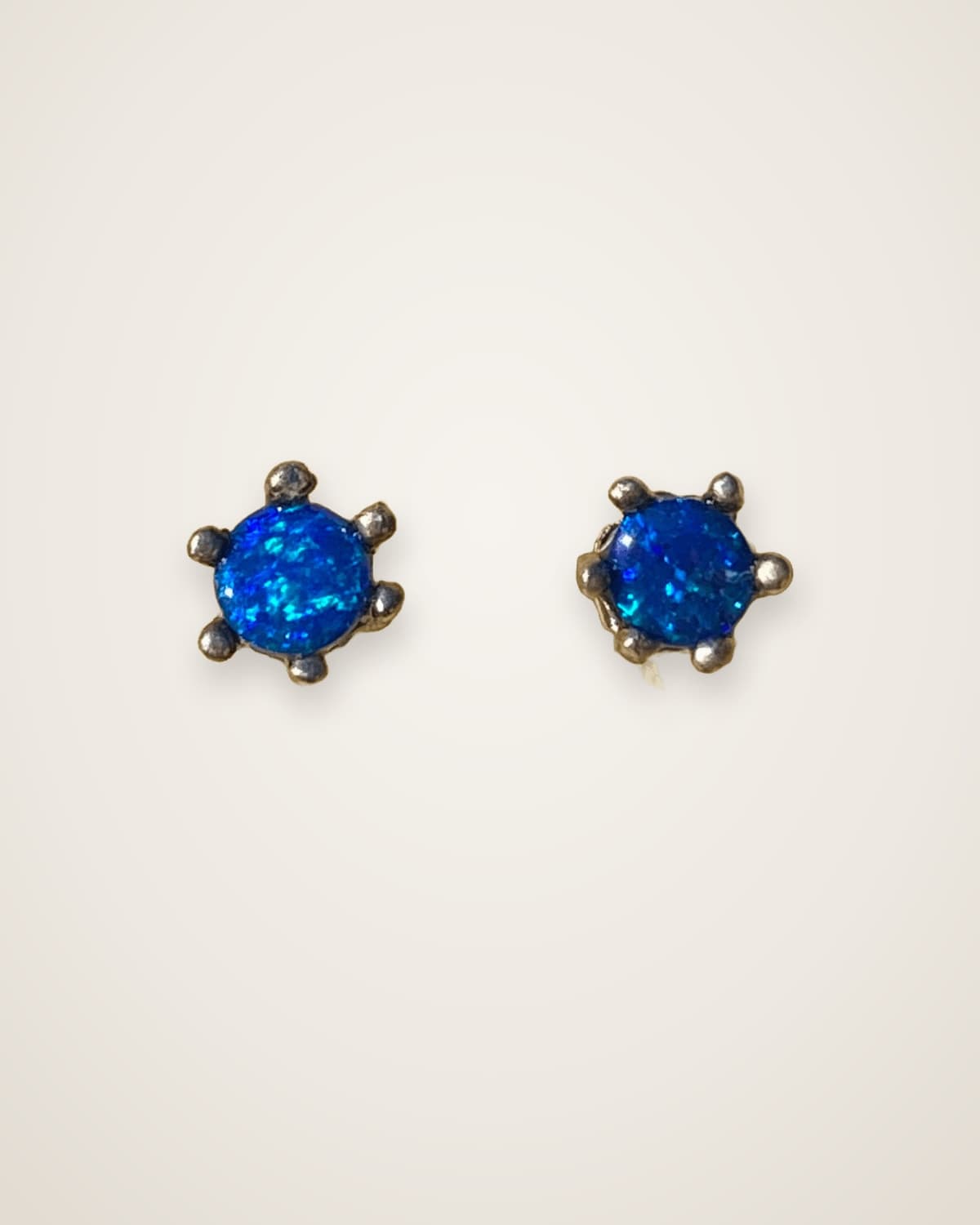
Australian opal can be treated too. For example, Andamooka matrix opal is often treated to darken its background, and that's sold as treated matrix opal. The rule is the same for every origin: a treated stone is fine if it's described and priced as treated.
Which is better for jewellery?
Neither is better across the board; they suit different uses and budgets. Ethiopian opal can be bright and affordable, while Australian opal is generally more stable, and Lightning Ridge is the classic source of natural black opal.
Things to weigh up:
- Daily wear. Stable, non-hydrophane opal is easier to live with in a ring.
- Care. Hydrophane opal needs more care around water, soap, lotions and oils.
- Body tone. If you want a natural dark body tone, look at black opal from Lightning Ridge.
- Disclosure. Whichever you choose, the listing should state origin, solid, doublet or triplet, and any treatment.
We cut and sell Australian opal, so that's where my own experience sits. You can read about one of its best-known sources in my older post on Lightning Ridge opal, or browse the whole store.
Questions people ask
Is Ethiopian opal real opal?
Yes. Ethiopian opal is natural precious opal. It formed in volcanic rock rather than sedimentary rock, and much of it is hydrophane.
Why did my Ethiopian opal go clear?
It has most likely absorbed water. Hydrophane opal can turn clear and lose its play of colour while wet, and it usually returns as the stone slowly dries.
Is Australian opal more stable than Ethiopian opal?
Australian opal is generally non-hydrophane and is known for its stability. Many Ethiopian opals are stable too, but hydrophane stones need extra care around water and oils.
Is black Ethiopian opal natural?
Some is, but many black Ethiopian opals are smoked or dyed. Ask the seller whether the stone is treated before you buy.