Yowah Opal and Yowah Nuts: Queensland's Little Ironstone Treasures
Yowah nuts are small ironstone nodules from Yowah in south-west Queensland that can hold precious opal inside. Here's how they form, how they're cut and what to look for.
Opal Fields · By Stephanie Caruana ·
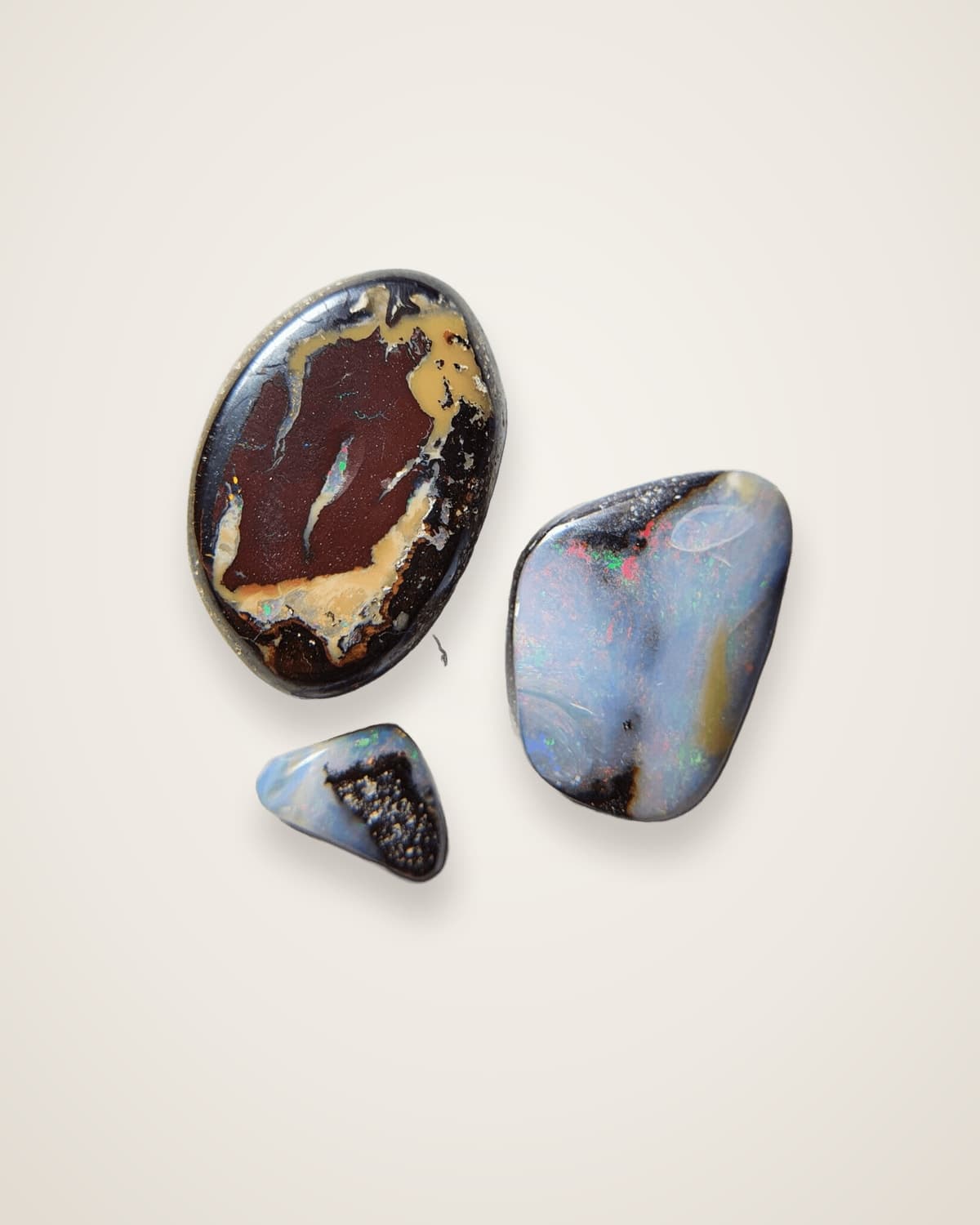
Yowah opal comes from the Yowah opal field in south-west Queensland, part of the state's boulder opal country. It's best known for Yowah nuts: small ironstone nodules that can hold precious opal in the centre or threaded through them. Cut open, a good nut shows bright opal set in rich brown ironstone, and no two look alike.
Where is Yowah?
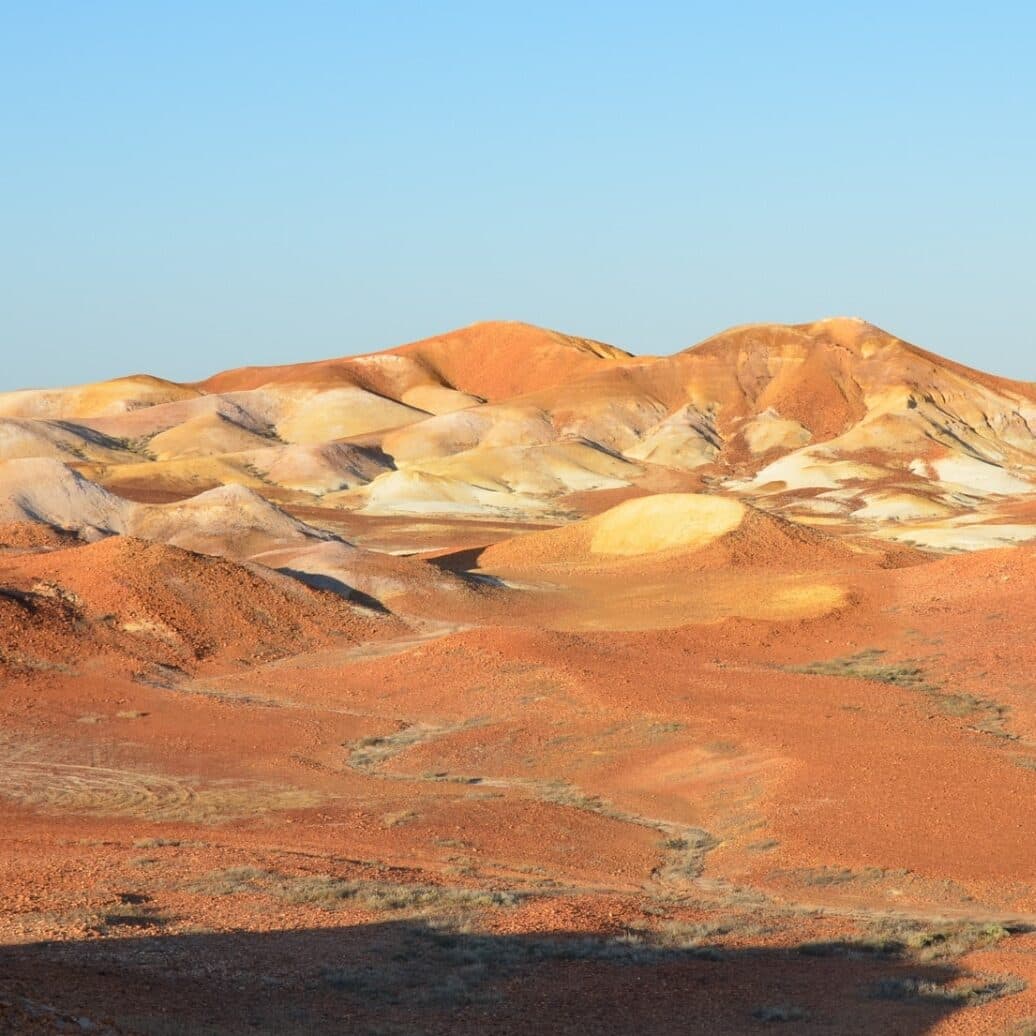
Yowah is a small opal mining town in south-west Queensland, in the region west of Cunnamulla. It sits within the broad belt of Queensland boulder opal country that also takes in fields around Koroit, Quilpie and Winton.
It's a long way from anywhere, and that's part of its charm. Like other opal towns, it's built around the fields, and visitors come for the opal as much as the outback.
All Queensland boulder opal forms in ironstone, but each field has its own character. Yowah is the field people link with nuts, and with fine matrix opal where colour is spread through the ironstone.
What is a Yowah nut?
A Yowah nut is a rounded ironstone nodule, or concretion, found in bands within the ground at Yowah. Some have a kernel of precious opal at the centre. Others have opal in thin veins or a web through the ironstone, and plenty are empty or hold only potch.
They vary a lot in size, from small enough to sit on a fingertip to the size of your fist or larger. You can't tell from the outside what's inside, so every nut is a bit of a gamble until it's cut.
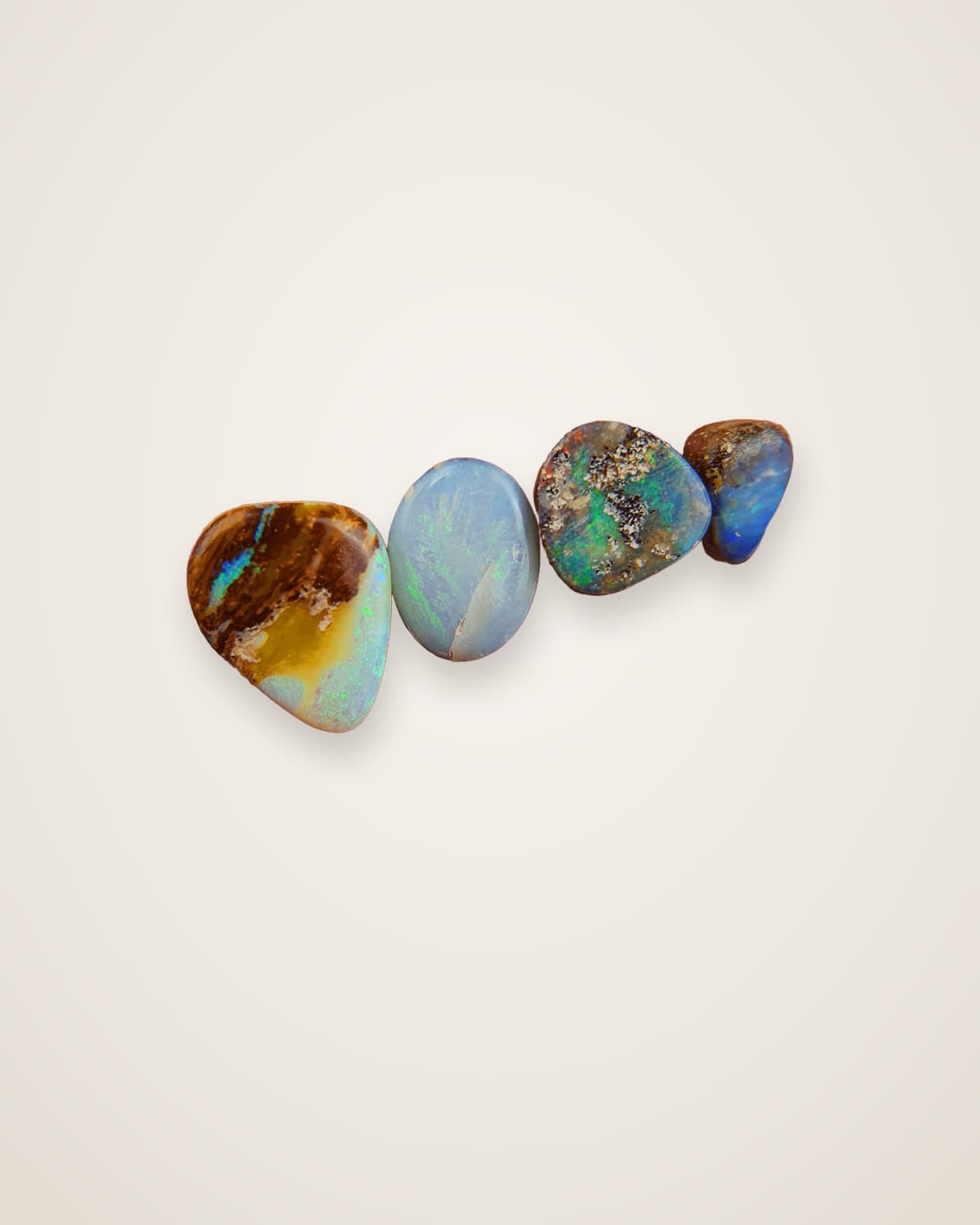
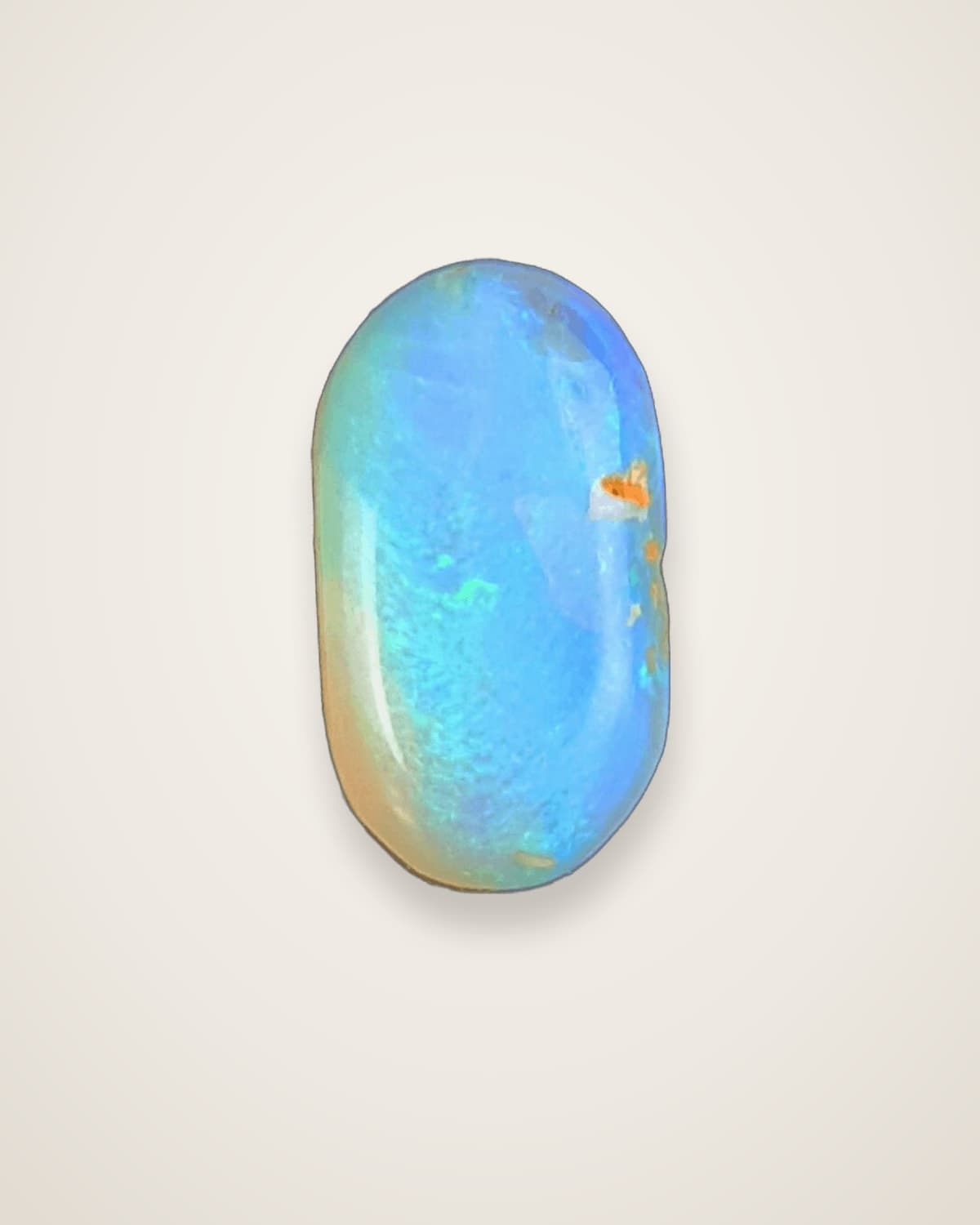
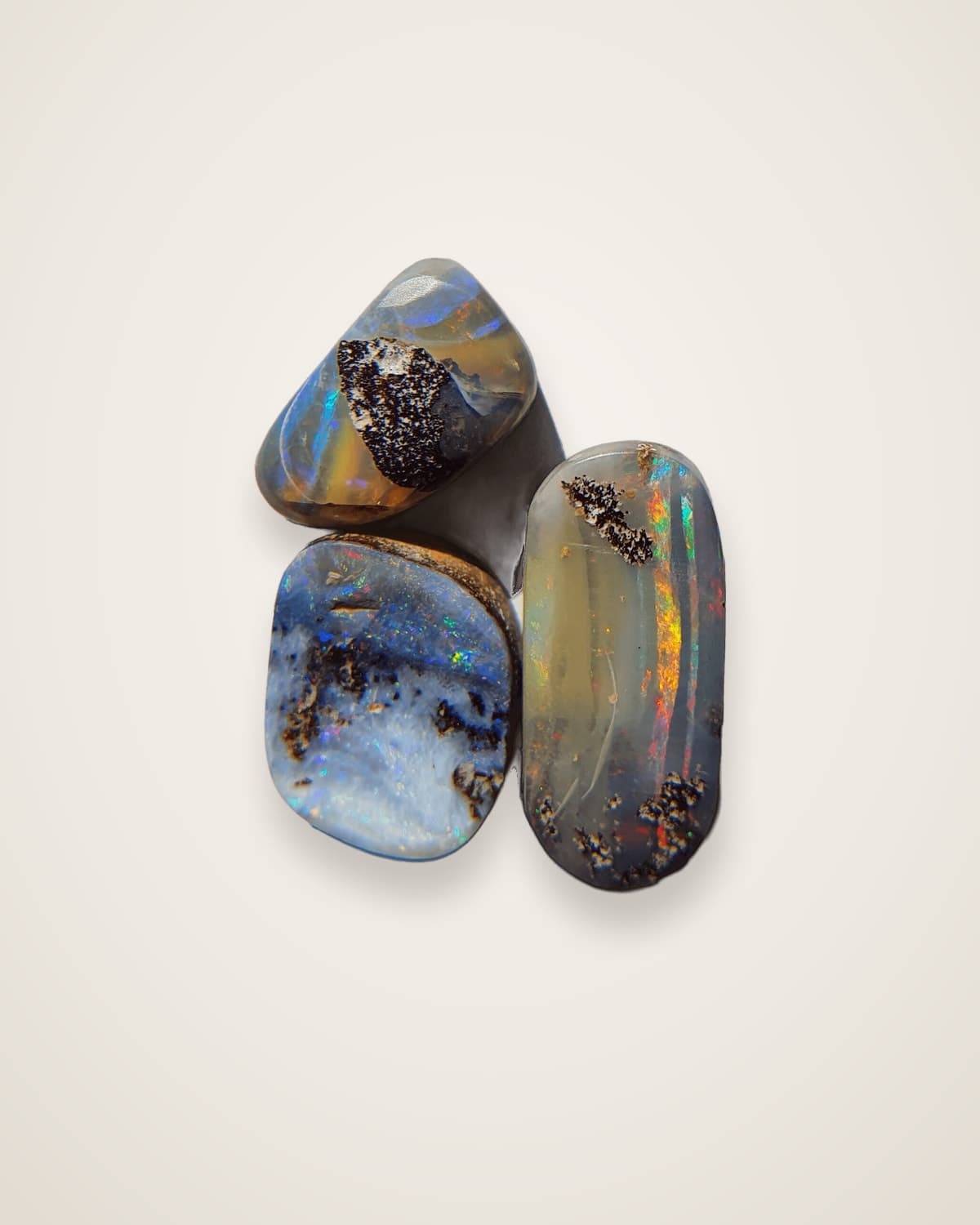
I've had a cool little Yowah nut in one of our boulder opal parcels, and it was one of those pieces that's hard to stop looking at. Boulder opal is so unique: forming in veins, it creates what's called opal matrix, Yowah nuts, Koroit opal and a variety of unique patterns full of rich colour.
How do Yowah nuts form?
Yowah nuts formed when silica-rich water seeped into cavities and cracks inside ironstone nodules buried in the weathered rock. Over a very long time, the silica settled out and hardened into opal.
Where conditions let the silica spheres settle in an even, ordered way, you get precious opal with play of colour. Where they didn't, you get potch. That's the same basic process behind all opal, and it's why the centre of one nut can be blazing with colour while the next is plain.
Because the opal formed inside ironstone, Yowah opal is a type of boulder opal. The ironstone is part of the stone, not a backing that's been added.
How are Yowah nuts cut?
A Yowah nut is usually sawn through the middle to see what's inside. If it holds opal, the two halves become two stones.
- Inspect the outside. Cutters look for cracks or a hint of colour at the surface, but often there's no clue at all.
- Saw the nut in half. This reveals the kernel or any veins of opal.
- Decide on the shape. Each half can be left as a natural freeform or shaped into a cabochon that follows the opal.
- Grind and polish. The opal and the surrounding ironstone are polished together.
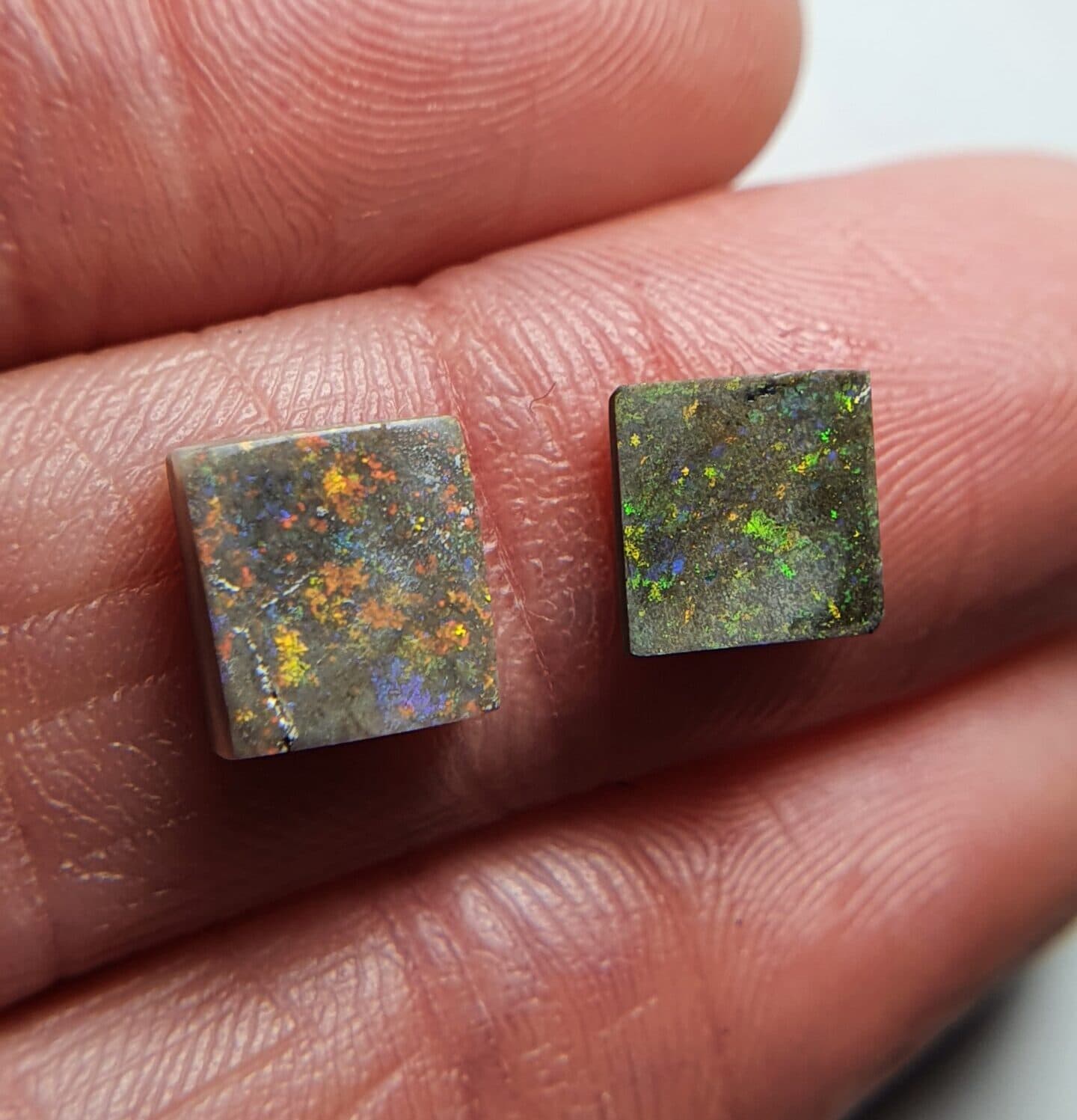
Because the two halves come from the same nut, they're often a near mirror image of each other. That makes Yowah nut halves a natural choice for a pair of earrings.
The hard ironstone and the softer opal sit side by side, so it takes care to polish them to an even finish. If you'd like to learn the basics of shaping stones like this, our opal-cutting courses cover the process from rough to finished stone.
How is Yowah opal different from other boulder opal?
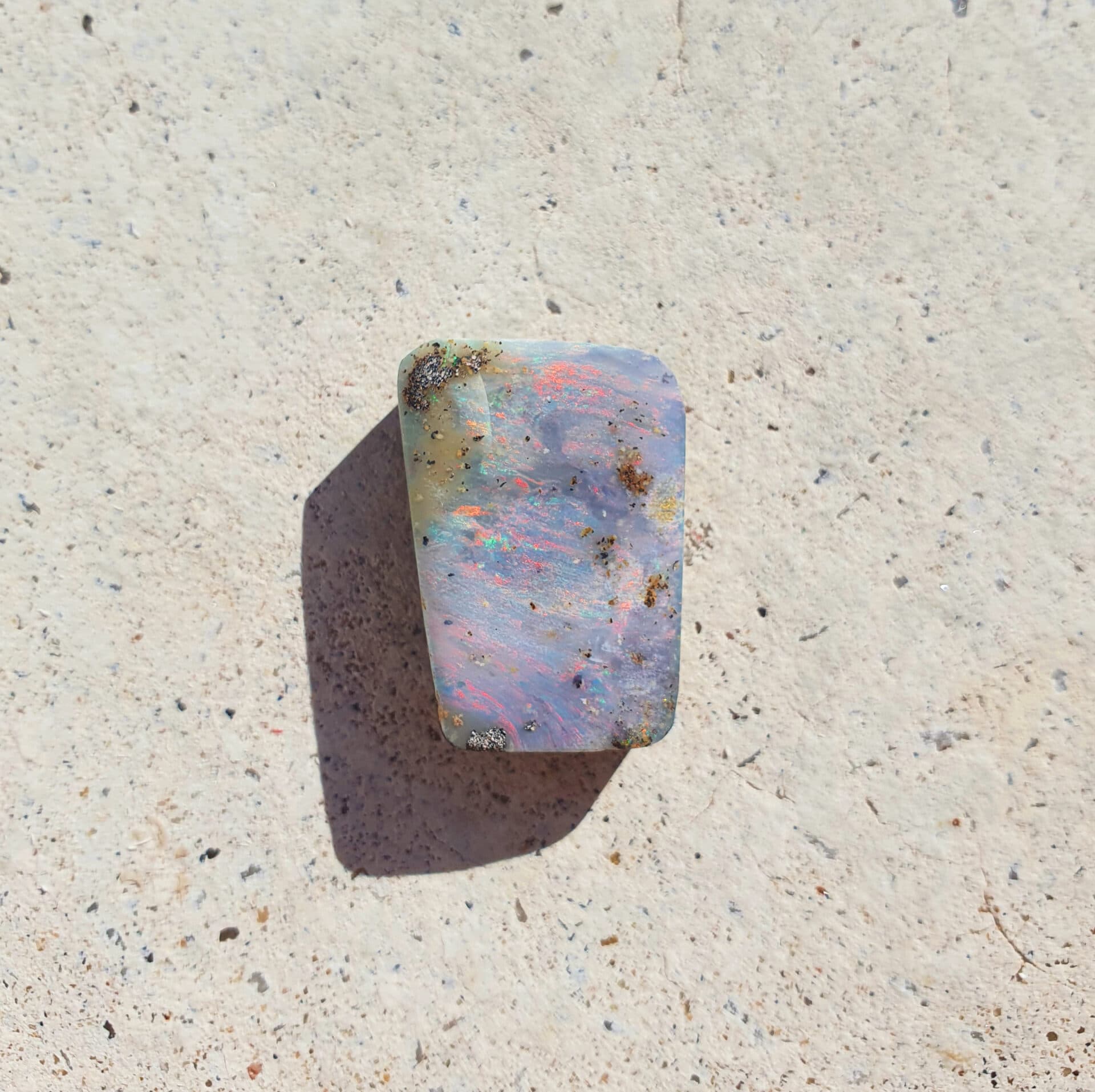
Yowah opal is boulder opal, but it often looks different from the boulder opal you'll see from fields like Winton or Quilpie. Other Queensland boulder opal is often cut from seams of opal lying along ironstone, giving a face of solid colour with a natural ironstone back.
At Yowah, the opal is more often:
- In a nut, with a kernel of colour surrounded by ironstone.
- In fine matrix, where tiny specks and veins of opal are spread through the ironstone like a painting.
- In patterned veins, which can form rings, swirls and picture-like shapes.
These pieces are valued for their pattern and character as much as for an area of clean colour. Many Yowah stones are cut as freeforms rather than standard ovals, to keep as much of the pattern as possible. You can read more about the wider family in my older post on Queensland boulder opal.
What should you look for when buying Yowah opal?
Look for brightness and a pattern you love first, then check the polish and the stone's structure. With Yowah opal, the ironstone is part of the beauty, so you're judging the whole picture rather than just the colour.
- Brightness: the opal should glow, not just show a dull sheen.
- Pattern and contrast: bright opal against dark ironstone makes the most striking stones.
- Polish: both the opal and the ironstone should be smooth and even, without pits.
- Cracks: check the opal and the boundary between opal and ironstone.
- Matching pairs: if you want earrings, ask whether the halves of a nut are available together.
- Natural or treated: check the listing says whether the stone has had any treatment.
Boulder opal from Yowah is generally sturdy for jewellery because the ironstone gives the opal strong support. Browse our boulder opal and Queensland opal to see the range.
Questions people ask
What is a Yowah nut?
A Yowah nut is a small ironstone nodule from the Yowah opal field in Queensland. Some contain precious opal in the centre or in veins through the ironstone, while others are empty.
Is Yowah opal real opal?
Yes. Yowah opal is natural precious opal that formed inside ironstone, making it a type of Queensland boulder opal.
Why are Yowah nuts cut in half?
Cutting the nut in half is the only way to see what's inside. If it contains opal, the two halves are often polished as a matching pair.
Is Yowah opal good for jewellery?
Yes. The ironstone gives the opal a strong natural backing, so Yowah opal is generally a sturdy choice for pendants, earrings and rings with a protective setting.
Can you fossick for opal at Yowah?
Fossicking in Queensland needs a fossicking licence and is only allowed in designated areas or with the landholder's permission. Check the current Queensland Government rules before you go.